Winter Bits – Potatoes, Strawberries and Raspberries

Hi everyone,

It’s been a busy week in the garden despite (or because of) all the rain we’ve had down here in Tasmania. Last year because I was late getting my last crop in, I determined that despite the frosts we get in this garden, it could be possible to grow potatoes year round with careful preparation and the right site. So today I’m putting it to the test!

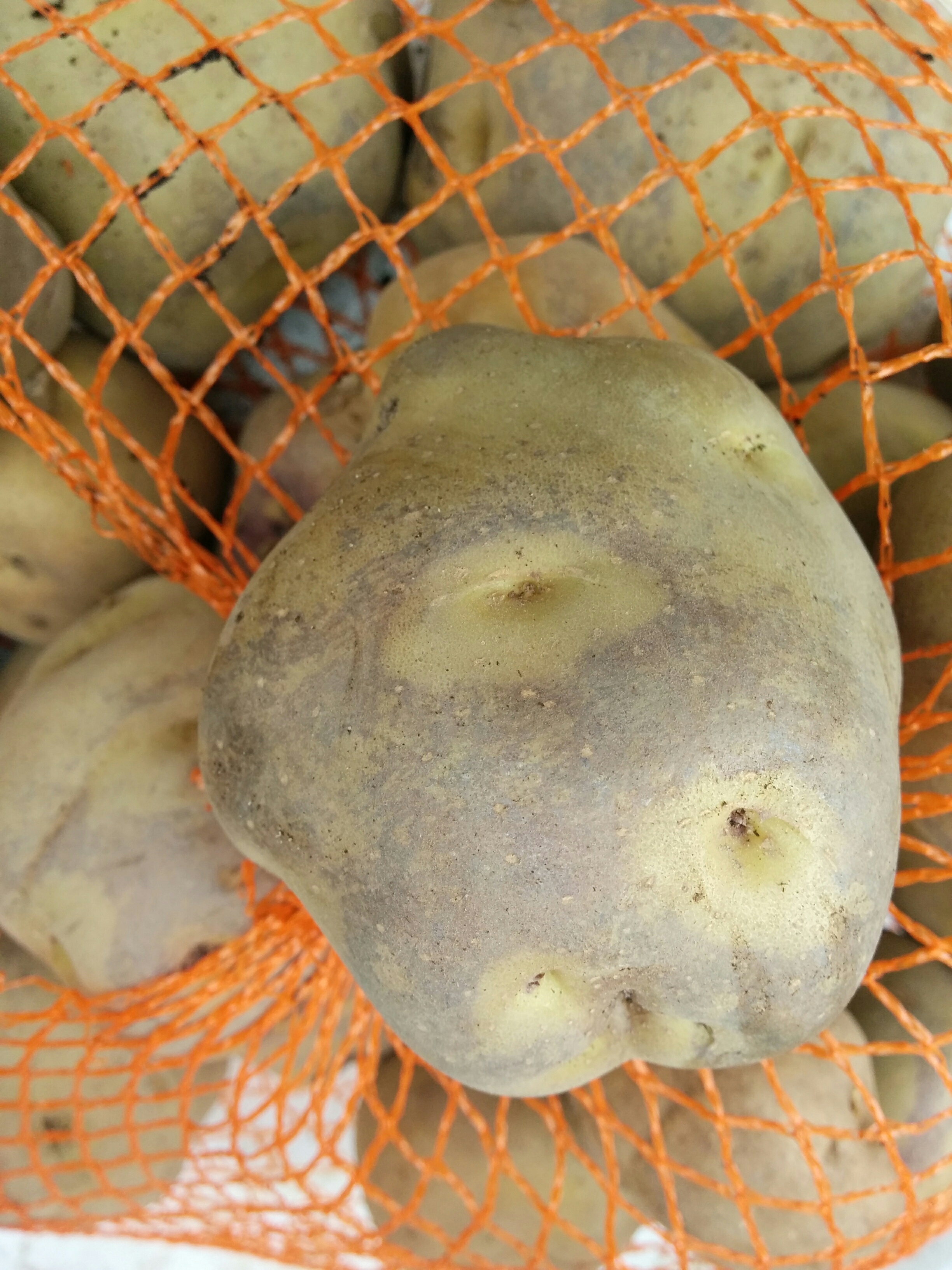
A few weeks ago, a dear friend gave me a Pink Fir Apple potato. She’d been given a handful of tubers by another gardener, who claimed this is the absolute, all time best waxy potato for boiling, steaming or salads. The long, knobbly, pinkish tuber is an heirloom variety that can be traced back to 1850’s France. It’s been sitting on the coffee table in my loungeroom for month or more, starting to get a few small buds from the multiple eyes.

IMG_20160610_110933

The Pink Fir Apple is a late season maincrop variety so I’m really stretching the boundaries planting it now but while I’ve been off work sick, I’ve been doing some research. I’ve been watching a lot of YouTube videos about wicking barrels in preparation for the dwarf fruit trees, which should be arriving next month.

Along the way, I discovered Dan and his Yorkshire Dales Allotment DiaryĀ and something I’d never thought about before – growing potatoes in plastic pots! I remember growing them in drums when I was a child with my father and a couple of times in grow bags over the years but I’d never considered putting one or two in a pot and gradually earthing up as the shoots appear. Now the greenhouse is gradually emptying – it is no longer the House of Basil 😦 – I’ve got room to put a few tubs in to overwinter.

Frost is the big issue for potato crops and every autumn I get “volunteer” spuds coming up in random spots. The first good frost of winter and they’re done. And there’s no denying it, potatoes take up a lot of garden bed space! But in the greenhouse they are protected from the 8-10 hard frosts we get here each winter and by the time spring comes I can move them outside to finish off.

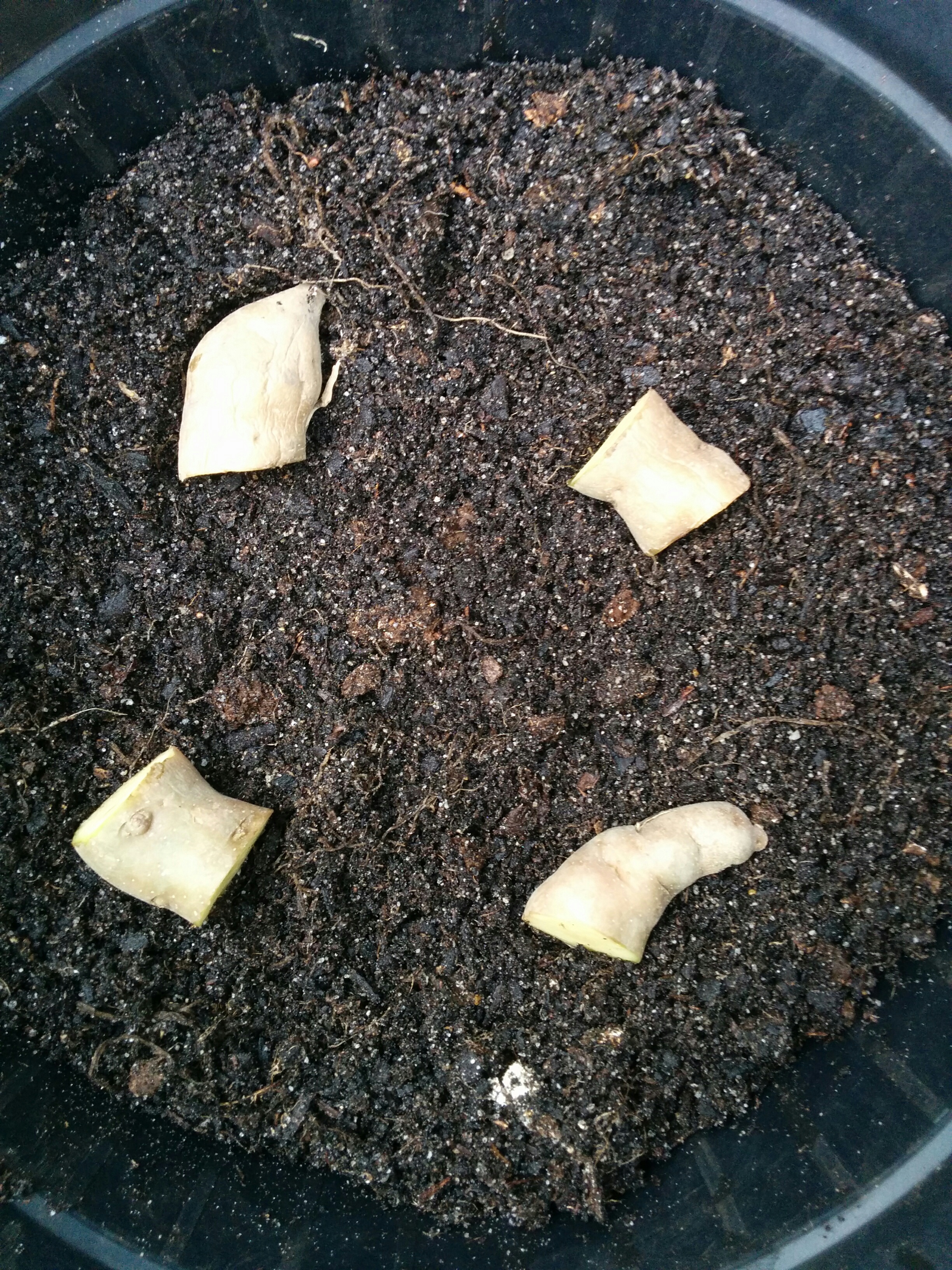
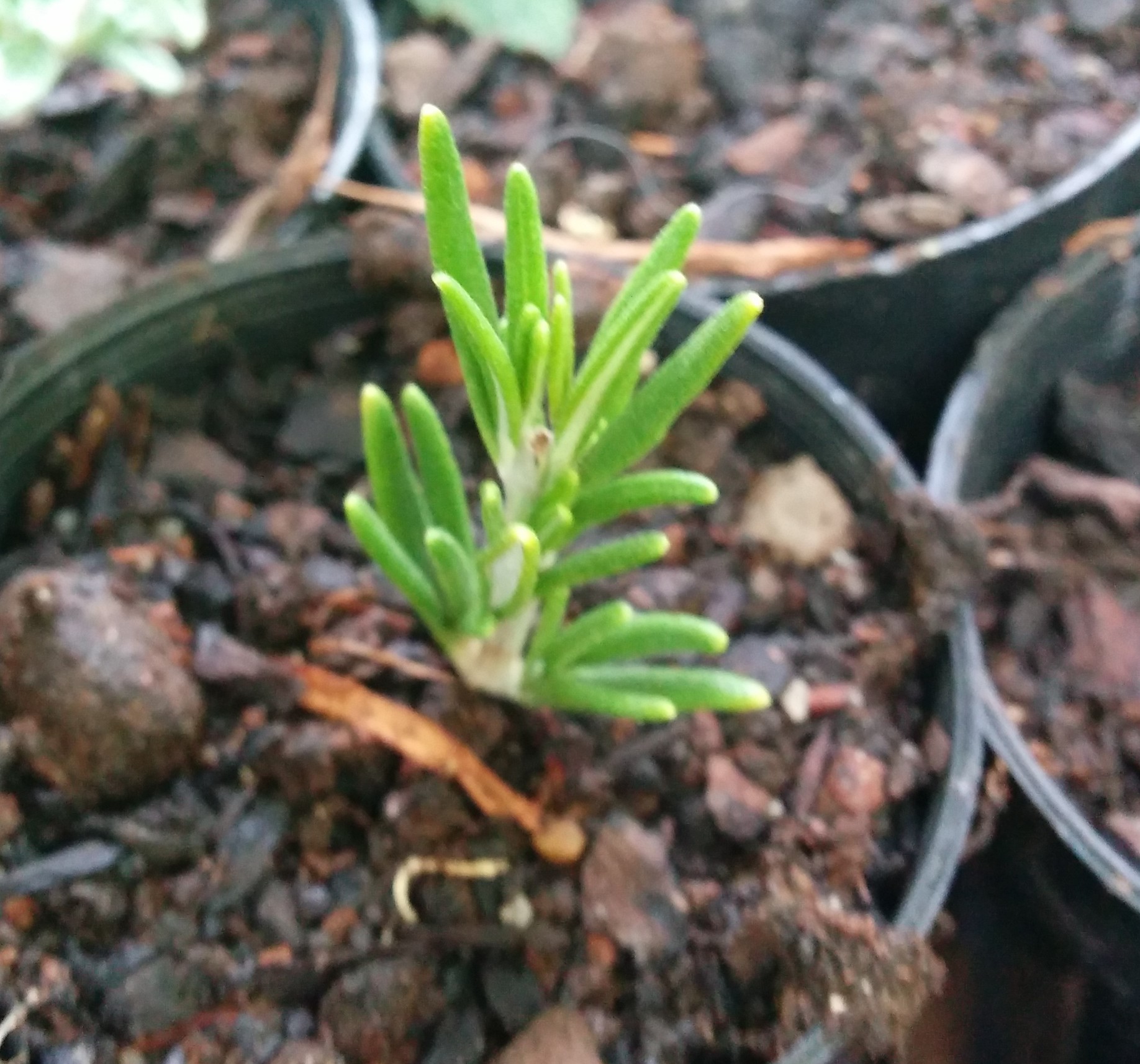
So, I used spent potting mix from the basil crops, mixed it with a few handfuls ofĀ old mushroom and put some inĀ a IMG_20160610_111227clean 30 liter pot. I cut the Pink Fir Apple into four pieces, each with an at least one active eye and covered with a layer of the potting mix. Importantly, I remembered to label the pot!

IMG_20160610_120641Then, I did a few more pots with the early Pink Eye, possibly Tasmania’s favourite potato. I’ll keep you up to date with the progress, but my aim is to grow potatoes year round, or as close as I can get to it.Ā Potatoes take 100-140 days in summer depending on the crop, so I anticipate I’ll be testing the first of the pots in mid-late September.

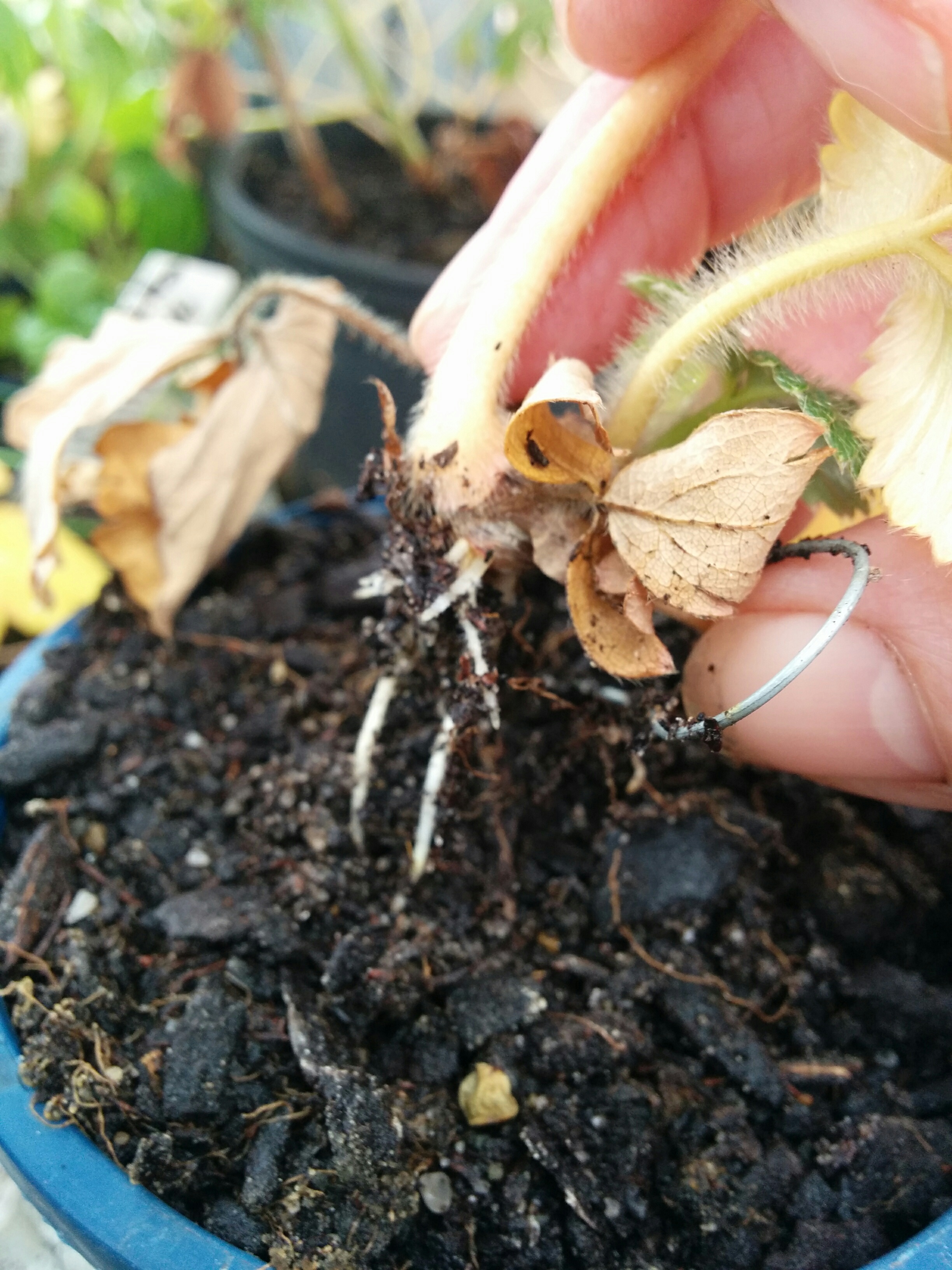
While I was mucking about in the greenhouse today, I checked up on another of my gardening experiments. About a month ago, I took my three first year Tioga strawberry plants and trained their runners into prepared pots. Strawberries need to have their crowns above the soil, so I cutĀ pieces of soft, flexible wire to pin them to the top of the soil. I’ll be reusing these in spring to layer herbs such as thyme, oregano and marjoram.

The results were impressive. I now have six more Tioga plants and about another eight or so that are just starting to put down roots.

IMG_20160609_110010

I grow my strawberries in pots because of slug problems and generally only keep plantsĀ for a few years as they produce less and less the older they get. Again, the key is making sureĀ the pots always have a dated tag, it’s too confusing otherwise!

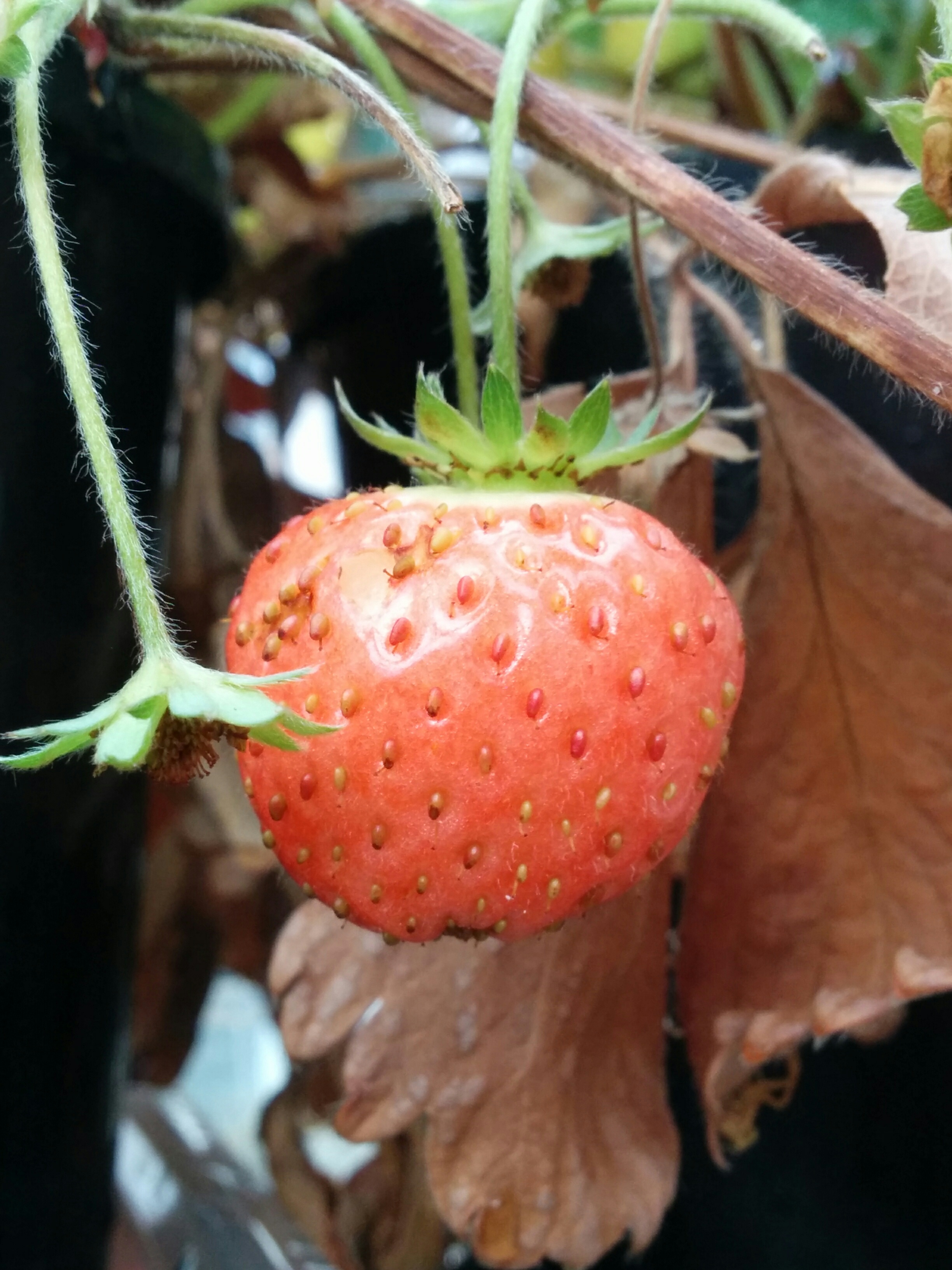
IMG_20160609_111344And yesterday, I discovered not only a ripe and utterly delicious strawberry but IMG_20160609_112056(for me) a first in my garden – ripe raspberries in June! While they were delectable, the flavour wasn’t as good as the summer berries. And no wonder really, these are (supposedly) a summer only variety! Along with the raspberries, there was a load more chilies – mostly Habaneros but there’s still Cayenne, the wrongly labelled Inferno and the last Jalepenos of the season. I’ve started cutting back a lot of the chilies now and retiring the weaker plants to make room for new plants in the spring.

Weirdly, the Poblano Ancho, Hot Portugal, Razzmatazz, Serrano and Rocoto are still ripening, which I suppose also underlines how mild overall the weather has been. While it’s been wonderful to have such a long extended growing season, it worries me too.

Many of the crops I grow – the brassicas, winter salad greens and especially the fruit trees – really need the cold weather. The apples, apricot, nectarine and even the espaliered peach need a certain number of chill hours in order to stimulate flower production at the end of winter.

Well, I won’t have long to wait for some cold weather – tomorrow’s forecast is for a possible thunderstorm, hail and snow on higher peaks. Maybe winter is here at last?

IMG_20160609_113128

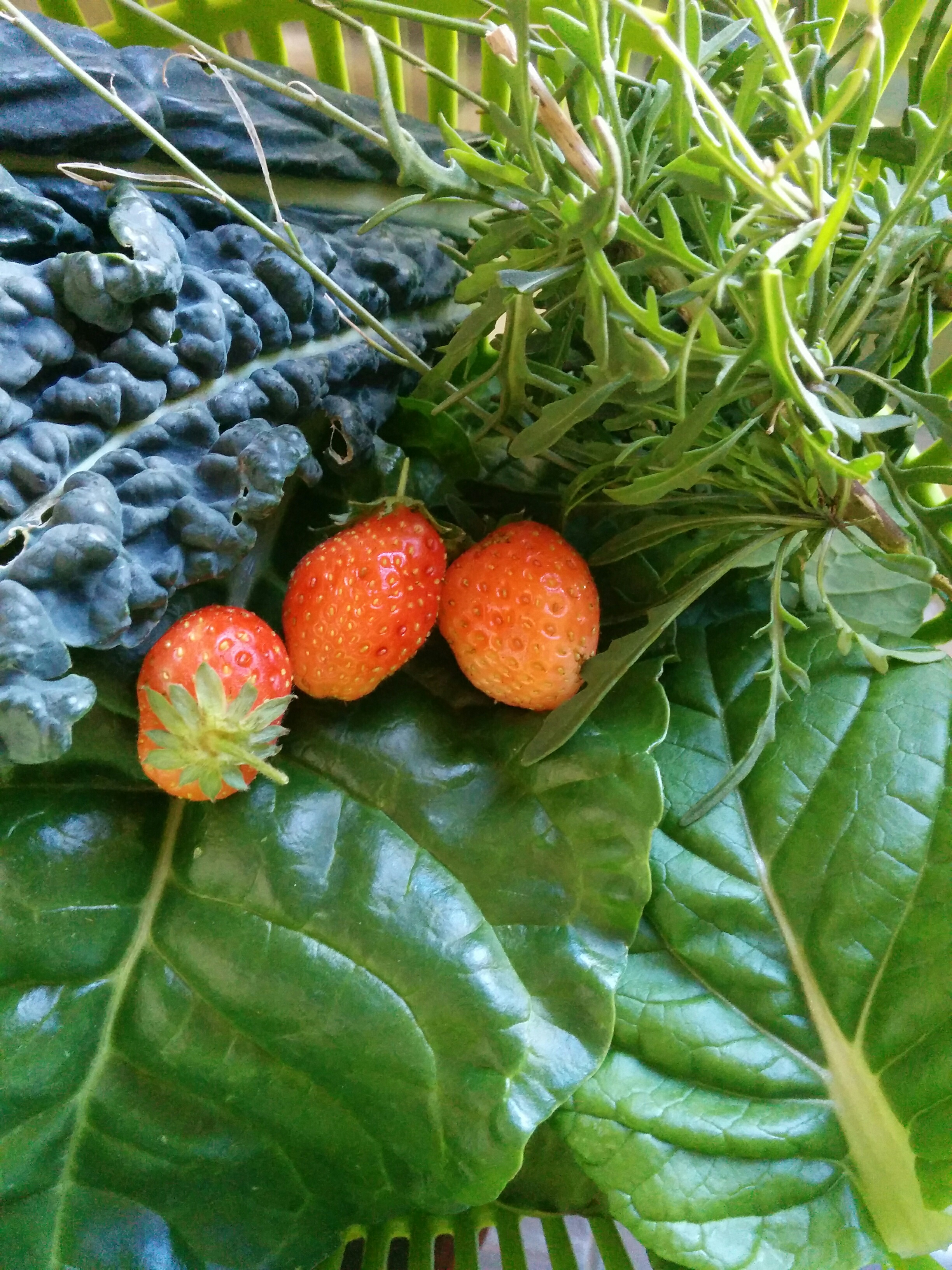
Winter harvest!


Rain!

I caught a break in the mad weather we’re having to take a few pics of the garden and a short film of the Ladies Who Lay, who were looking quite bedraggled this morning. Being down in Hobart, I think we haven’t had as bad a time of it as friends up north or on the east coast. Nevertheless, the tropical low that’s torn down the eastern seaboard of Australia has left it’s mark here too. The rain gauge was overflowing and my water tanks are (thankfully) filling again, but normally free draining areas are starting to pool, particularly in the chicken’s run. I’m also worried about the rhubarb bed as the crown’s are overdue to be lifted and divided. But as the changing weather patterns keep telling me, it will be what it will be and we’ll cope with it šŸ™‚

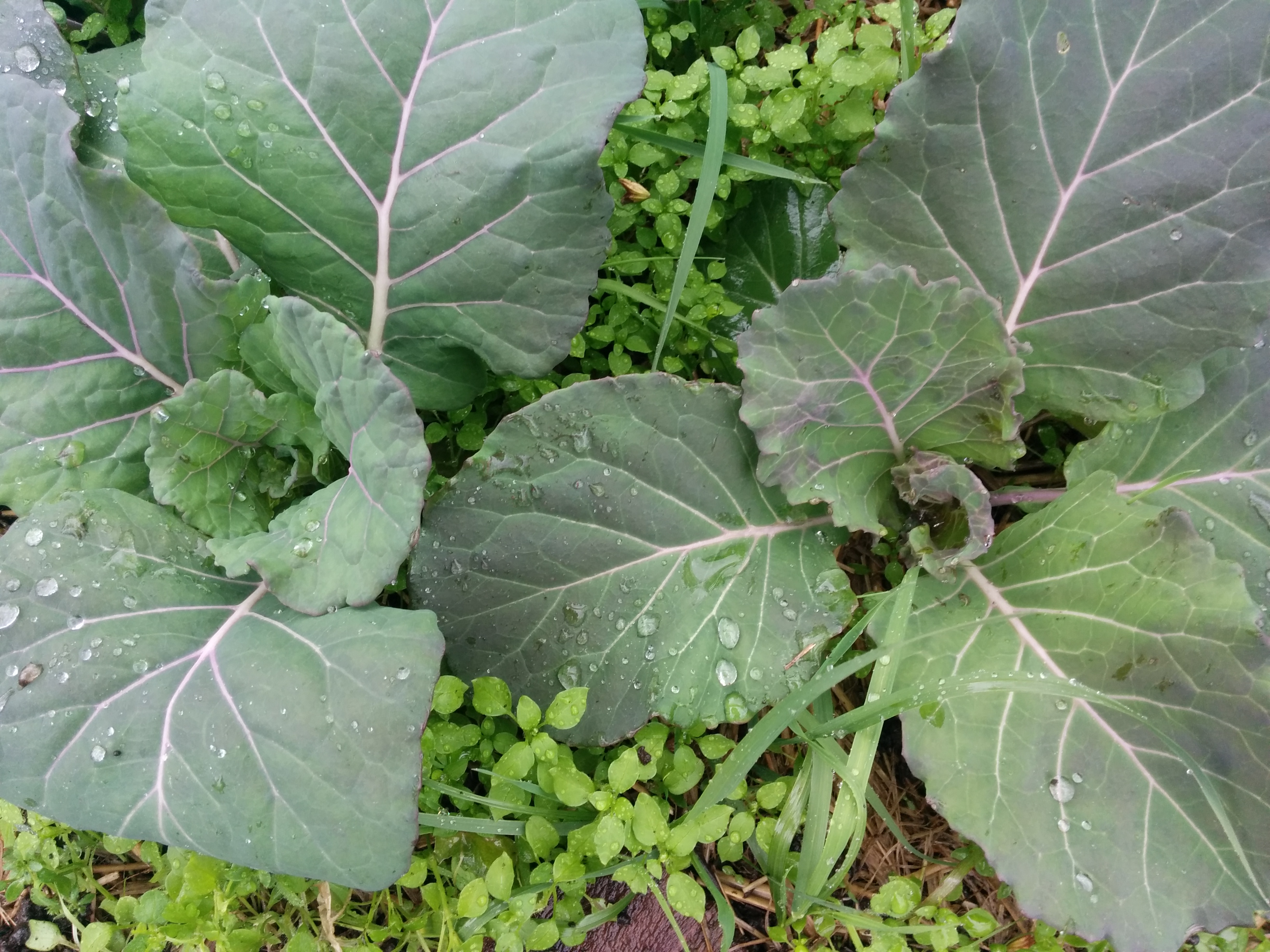
Italian Purple Savoy Cabbages with baby weeds!

Italian Purple Savoy Cabbages

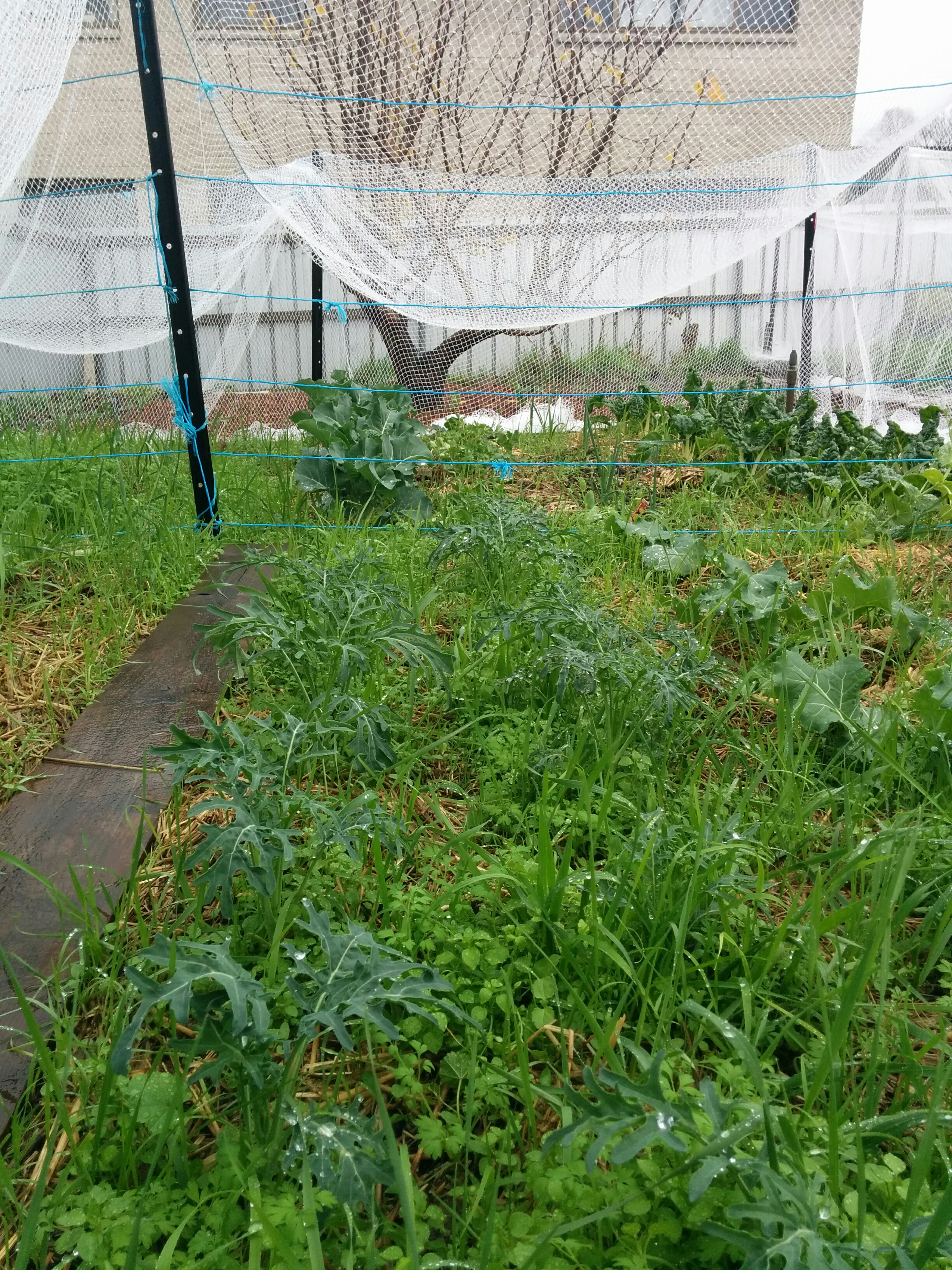
Further to my post last night, some of these photos will give you an idea of how much things have grown in the last month. Especially the weeds! It’s hard to imagine I had most of the beds clear three weeks ago, but with the mulch it’s fairly easy to remove them and the chickens love the tender new shoots.

IMG_20160606_120852

Some of the Kale in the foreground, looking to Silverbeet, the remaining Leeks, mini Broccoli and Garlic in the next bed. And thriving weeds!

Also, I checked the new asparagus bed, which I top-dressed with seaweed and aged chicken poo from Cluckingham Palace. I’m thrilled butĀ also slightly disturbed by some of the shoots the bed is still throwing up.

IMG_20160606_115319

The crazy asparagus bed

Given I’m in Hobart, asparagus should be well and truly dormant by now but these barely six month old crowns are still throwing up new fronds – and some ridiculously big ones too! Since planting them out in March this year when it was still very dry (and abnormally warm), the plants have thrived. To get an idea of how much growth they’ve put on have a look at them here.

The rabbits being mostly sheltered from the north easterlies are doing fine and I suspect wondering what I’m fussing about – they are getting more than their usual ration of greens at the moment because of all the sudden growth. I should point out too that after consecutive days of frost last week, yesterday and today have been very mild. I was out in my wet weather gear and sweltering!

I’ll leave you with my lovely little hens, who are still laying enough eggs for my needs despite a statewide shortage of free range eggs ā¤

My heart goes out to all the folks who are inundated across not only Tasmania but the entire east coast of Australia,Ā as well as France, Germany and parts of the US. Wherever you are on this beautiful planet, take care ā¤

Renewal

Hi everyone,

Winter has arrived with a vengeance – hard frosts last week and now milder temperatures but heavy rain and flooding with a big east coast low running down from the sub tropics. And the beginning of winter is also the renewal date for my WordPress account. What better way to celebrate than write a blog post about renewalĀ ā¤

I’m still recovering from the horror virus that’s doing the roundsĀ and having to take it quite a lotĀ easier than I anticipated the past couple of weeks. But I’ve been busyĀ finishing off one Griffith University unit (Television Studies) and starting another (New Media: Communications in the Electronic Age), though my brain really isn’t up to being terribly academicĀ at the moment. While it’s seriously throwing out my schedule, being ill has reminded me that sometimes it’s more importantĀ to sit back and watch things grow for a wee while.

Whenever there’s been aĀ respite from the cold and more recently the rain, I’ve made a point of goingĀ down to spend time with the bunnies and chickens and simply revel in the garden and its amazing renewal with the recent rain – and just watch things grow for a little while šŸ˜€

Some of my favourite plants are the small, often forgotten little herbs. Most people who cook grow them, but often we take them for granted but at the right time of year, in the right light they are incredibly beautiful to look at.

IMG_20160522_105136

This is the tiny and delicate Orange Peel Thyme (Thymus richardii ssp. nitidus) which comes originally from Sicily. It has a gorgeous thyme fragrance, mixed with orange zest and grows like a mat, making it ideal for containers or rockery edges. I really like it with chicken dishes but it also works well with apple jelly.

IMG_20160522_105101

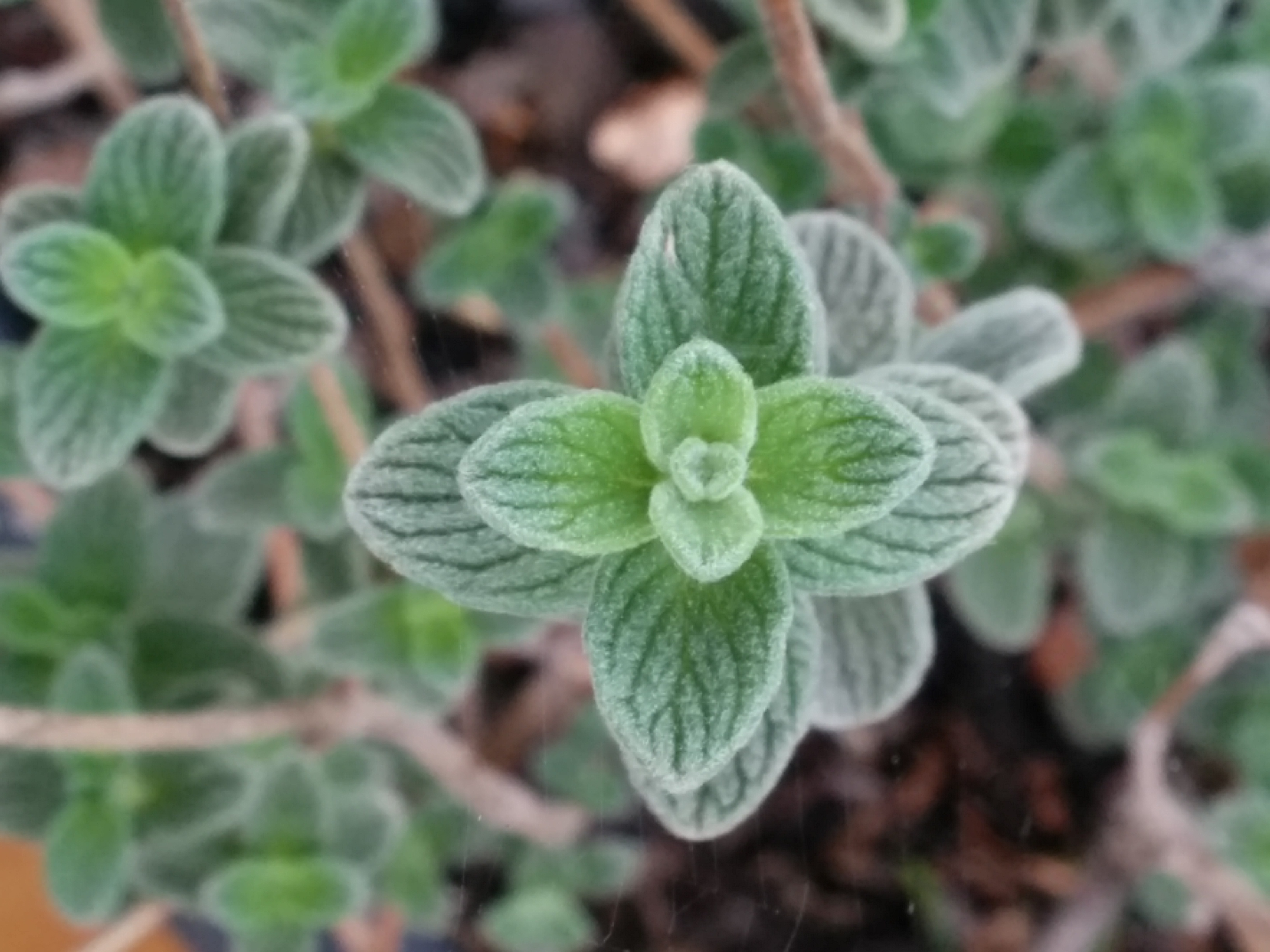
Above is the delectable LebaneseĀ Oregano, also known as Greek Oregano or Zaatar Leaf (Origanum syriacum), undoubtedly one of my favourite culinary herbs. The soft blush on the leaves is typical of this upright herb, that grows into an open shrub that can get quite straggly if it isn’t cut back each year after flowering. The taste is quite intense and different to either Marjoram or Oregano and it is a wonderful herb for barbecue meats, roasts and chopped finely over baked vegetables.

And after a few days without looking at the vegetables and quite a lot of rain – look what I found! This was the first head from the late summer/autumn plantings and it was delicious, lightly steamed šŸ˜€

IMG_20160522_105838

Of course, as I’m sure all you fellow gardeners will understand spending time even just walking around your patch makes you think of all the work that needs to be done. Gardening is a never ending job, always a work in progress!

All the rain has meant the weeds are coming back in force and it’s going to take some dedicated time over the coming weeks to stay on top of it. Spent raspberry canes need cutting and in some cases, dividingĀ and transplanting into a new raspberry bed. The rhubarb is ready to be divided too and the plum and nectarine trees need some final pruning to tidy them up now they’ve finally dropped all their leaves.

Also, I’ve got new fruit trees arriving soon and there’s a lot of preparation to do for them. I’m quite excited though as mostĀ of the new trees are on dwarfing rootstock and all will be going into halfĀ plastic drums that I’m going to set up as wicking containers similar to theĀ balcony boxes I didĀ back in January. I’ll be doing a blog post about it and photographing the process. (TheĀ balcony boxes areĀ doing wellĀ by the way,Ā with onions, chicory and coriander still going strong and three about to be replanted with winter greens – rocket, spinach and vitamin green).

Watching the frost pattern last week also made me consider planting some out of season potatoes in pots in the greenhouse as an experiment. Another project for another blog post when I’m recovered šŸ˜€

Meanwhile, the baby bunnies are growing very fast and will be ready to be sold next weekend as pets or grown on for butchering in another month or so. While some people have issues with this, I like to take responsibility for at least some of the meat I consume. And I do the slaughtering and butchering myself so I know they are humanelyĀ dispatched. This will be the last litter for a while as I don’t like to put either of my doe rabbits through the stress of winter birthing and rearing. I find it’s better all round to wait until spring.

I’ll leave you with the first Marigold in full bloom – the only one that grew from an old packet of seed.

IMG_20160522_105025

Take care wherever you are and whenever you can, take time to watch things grow Ā ā¤

Debut! – The Superstars

Well, we did it!

On Friday The Superstars had their debut performance outside of OAK Tasmania – and it was a HUGE success!

Final Rehearsal L-R: Tim, Sally, Kelly [back], Megan and Kathryn

Final Rehearsal L-R: Tim, Sally, Kelly [back], Megan and Kathryn

We were asked to come and play at the Ability to CreateĀ exhibition opening at Waterside Pavilion, Mawson PlaceĀ down at the docks in Hobart. It was a very grey, showery day but we had a great time – and I think the audience did too!

An example of the beautiful art work we helped to open

An example of the beautiful art work we helped to open

I cannot begin to tell you all how proud I am of this group. I’ve been away, trying to recover from a really nasty virus – but even without me cracking the whip, they’ve still been rehearsing and honing their performance skills. And all their hard work and talent shone through ā¤

Kelly singing up a storm! [Photo courtesy of Chris Rules]

Kelly singing up a storm! [Photo courtesy of Chris Rules]

And of course there was dancing! [Photo courtesy Chris Rules]

Finally, it’s important to acknowledge that a lot goes on behind the scenes to make The Superstars happen that most people don’t see. None of this would happen without the support of OAK and their fabulous staff. Giving their best for the clients is their job and they do that brilliantly – but the support and encouragement they giveĀ me as a contract tutor cannot be overstated. You know who you are – thank you ā¤

IMG_20160527_123527


Sickness and Shakespeare

It’s been a wild week – in more ways than one!

In truth, I feel more than a little cheated. After unseasonably warm weather, I was out in the rain and wind and got cold early in the week. I even picked ripe strawberries earlier in the week!

IMG_20160516_162001

I started to get the sniffles on Wednesday and by Thursday I was a mess! I’ve spent (for me) a lot of time in bed with David Tennant andĀ a box of tissues.

Now before you get the wrong idea, I’ve been watching and (when I’ve been able to) reading a lot of Doctor Who for my current unit at Griffith University. Doctor Who has become a legitimate area of academic study, which makes me even more inclined to consider post grad work in Screen Studies! So I re-watched a good deal of the Tenth Doctor.Ā Although I really like all the actors cast as the Doctor, I think Tennant has been my favourite so far, largely because of his versatility šŸ˜€

So I’ve been watching Tennant in Hamlet (Doran 2009) with Patrick Stewart andĀ Much Ado About NothingĀ (Rourke 2011) with the utterly brilliant Catherine Tate. That led on to Kenneth Branagh’sĀ Henry VĀ and (somehow) toĀ ExcaliburĀ (Boorman 1981) which features the late Nicol Williamson as Merlin, one of the greatest actors of his generation and reputedly the best Hamlet ever.

Last night I moved on toĀ The Hollow Crown: Richard IIĀ and tonight I’m planning to snuggle up with Jeremy Irons inĀ The Hollow Crown: Henry IVĀ and if I last long enough, Tom Hiddleston inĀ The Hollow Crown: Henry V. Apparently, there’s a new season coming out this year and I also want to Ā – more DVDs I need to find room for šŸ˜€

As you might have gathered by now,Ā I love Shakespeare. I was thinking recently with all the celebrations for the 400th anniversary of Shakespeare’s death that I should re-watch what I’ve got and replenish my collection. For me it’sĀ the musicality of the language, the silliness of the comedies, the depth of the tragedies – it’s pure comfort food when I’m feeling like this. While I’m still sniffly, it’s nothing more than an autumn virus but it’s left me very foggy and aching.

Those of you who follow my blog will be pleased to know that the Elderberry Cordial I made earlier this year is a winner! I’ve been having a hot cordial before going to sleep and it’s really helped break this virus – and it tastes lovely šŸ˜€

So there’s been little gardening but the autumn vegetables are booming (next week I must plant onions!) and the six baby rabbits are turning into eating machines!

IMG_20160517_153210

Finally, (and I’ll likely be soundly told off for this!) it was this beautiful little cherub’s 24th birthday earlier this week and I think this is my favourite photograph of him as a little boy. I cannot begin to express how much this man has changed my life – undoubtedly for the better – and how proud I am of him and to be his mother. Of the many things I’ve done in my life, he is without doubt the finest.

IMG_20160517_124901

Anyway, I’m off to bed with Jeremy Irons and an Elderberry Cordial. Wherever you all are, I hope you’re well and happy ā¤

Do you like Shakespeare? What’s your favourite play? Leave a comment below – I love to hear from you all!Ā 

Strange Days – Autumn 2016

In light of all the sadness of recent times, I thought I’d give an update on the urban farm. Along with music, writing and all my magnificent friends, this has undoubtedly been the glue that’s been holding everything together these past months inside my head.

I’m grateful not only that I have these things in my life but I recognise and celebrate their importance.

IMG_20160424_105032

As I type, we’ve finally had some rain but it has been a very warm and dry autumn for southern Tasmania. In years past, the Prune Plum pictured above would be bare stems by now but early May and it still refuses to drop its leaves!

Elsewhere around the garden there’s other odd things happening……

IMG_20160430_115111

The picture above is some of my Raspberries that really shouldn’t be producing this late in the season – they are generally a summer only variety!Ā And in the greenhouse, I discovered Strawberries and new flowers and fruit on many of the chillies!

One of the better things about this protracted warm weather has been the amount of growth in the vegetable garden. I’ve been literally inundated with chillies this season and they’re not letting up – some of the well established plants are still flowering and setting fruit!

At the moment, I’ve got the dehydrator packed with the last of the Roma tomatoes and various chillies and the basil is just crazy! The winter broccoli is starting to head and there’s plenty of growth on the Silverbeet (Swiss Chard) and the winter Endive and Chicory plants are almost ready to start picking. The Asparagus I grew from seed over the summer is looking positively lush in its permanent bed, producing lots of surprisingly largeĀ feathery fronds before winter bites. My big fear at the moment is that all the Kale I’ve planted will bolt to seed before it’s big enough to pick!

I’m going to do a last big cut of Rhubarb this weekend and cook it up for winter desserts. Then, once the plants shut down for winter, I’m going to dig all the crowns up and divide them. For any of you in Tasmania, contact me if you want a Rhubarb crown – I’m happy to barter šŸ˜€

And then there’s these little moppets…….

IMG_20160425_095919

They’re three weeks old now, their eyes are open and they’re out “exploring” (read constantly annoying their mother). In truth, I’d given up on Bella being pregnant (this was the second time she’d been serviced by our lovely buck) and I’d even put her back in her regular two tiered hutch near the others in preparation for winter. She is so big it’s really hard to tell if she’s pregnant anymore!

Then my gorgeous neighbour Karen came up early Saturday 16th April to let meĀ know she found a little pink, blind newborn outside Bella’s hutch. (She is now officially the Best Neighbour Ever!) We all raced out to find two in a nest Bella had made in her upstairs sleeping area and about four more in the bottom of her hutch. They were cold so it was all hands on deck! Normally, I don’t like to disturb or touch newborns until they have their fur but we had little baby buns up our jumpers (I even had one in my bra) to warm them while we carefully checked the rest of the hutch and made sure Bella was alright. We ended up with a very smug mamma and six very healthy little kits ā¤

Last weekend we moved them all back into the ground level nursery hutch and everyone’s thriving šŸ˜€

Tuesday we had the first snow on kunanyi/Mt Wellington for the year and I wentĀ to Launceston on Wednesday to attend a memorial service for Kevin Gleeson, who passed away recently. While it was great to catch up with many friends, it was a very sad day. When I was driving up, I noticed deciduous trees (looked like Prunus sp.) budding up and flowering – strange days indeed!

Take care friends, wherever you are and may all your gardens grow well ā¤

In Print!

A very quick note to any of you who might be interested – my copy ofĀ Tasmania +Ā arrived this afternoon, which includes an article I wrote on the jazz scene in Tasmania. (Huge thanks to Kaye Payne for letting me interview you – I learnt heaps!)

Tasmania + is available through most larger newsagents throughout the state and is a large-format, glossy magazine. If you can’t find it, try contacting Focal Printing in North Hobart.

It’s always nice to be in print šŸ˜€

IMG_20160401_145317

The Bride of Fu Manchu by Sax Rohmer – Book Review

As some of you are no doubt aware, I love reading as well as writing and have a Goodreads account that I’m starting to use more. Here’s a review I wrote this morning of a little pulp novel I picked up recently from my favourite bookshop, Cracked and Spineless New and Used Books. Thanks Richard šŸ˜€

The Bride of Fu ManchuThe Bride of Fu-Manchu by Sax Rohmer
My rating: 3 of 5 stars

I remember reading a lot of my father’s Sax Rohmer books when I was a child, so this was both a trip down memory lane and some light reading over the last week or so, nothing to do with uni study.

One of the things that I’ve always liked about Rohmer was his ability to write action and suspense and this one in particular has lots of the evil Dr, which makes for good reading. The premise of Fu Manchu developing a new insect-borne plague to unleash on the world is really quite good and inspired many other writers (including Ian Fleming) and is still a viable plot device in the 21st century.

Of course, the few women are pigeonholed into the usual stereotypes – bumbling domestic bit-player (Madam Dubonnet) femme fatale (Fah lo Suee) and the helpless heroine who constantly needs saving (Fleurette) and the men really don’t fare that much better! Alan Sterling, the narrator for this outing is about as bland as a hero can be, but how he reacts to some of his trials is quite good.

But this is a book of its time and irrespective of the incredibly dated gender politics it’s still a good pulp read.

Do you enjoy reading? What are your favourite genres/books/authors? Leave a comment – I love to hear from you!Ā 

Plants From Prunings – More Autumn Jobs!

IMG_20160317_104202

Hi everyone,

Autumn is startingĀ to settle on southern Tasmania. The days are now noticeably shorter, the chickens are laying a few less eggs and we’re preparing for a coldĀ change overnight and a major rain event in the next 24 hours. Fingers crossed, this will fall where it’s needed, fill all our tanks and not do too much damage!

I’ve been run off my feetĀ trying to get as many winter vegetables ready and planted out before it gets really cold but I remembered this morning to keep up withĀ the autumn cuttings!Ā There are three main types of stem cuttings thatĀ generallyĀ fall into different parts of the year – softwood in spring and summer, semi-hardwood in late summer and autumn and hardwood in late autumn and winter (after leaf drop).

A couple of weeks ago I pruned and thinned out my two Blueberry plants (Vaccinium sp.) that currently live in two tubs. They produced over a kiloĀ of fruit this summer so, in an effort to improve on this crop, I plantedĀ approximately 60Ā small cuttings directly into a nursery flat (tray). Hopefully, I’ll have enough youngĀ plants from this to put in a hedge of Blueberries and some to give away to family as presents next xmas.

IMG_20160317_164636

Blueberry cuttings [L] and mixed tray of berries and herbs [R]

Many people I know, even experienced gardeners, seem to be a little shy about propagatingĀ plants from cuttings but once you know what to look for, it’s really quite fun, can save a lot of money and provide gifts for other gardening friends and family. This is also called striking or asexual propagation, and is a much faster way to get new perennialsĀ than growing from seed. Unlike seed raising though, there is no genetic diversity – weĀ are taking a piece of the plant, putting it in a growing medium and encouraging the pieceĀ to form roots and grow.

Some plants strike more readilyĀ than others. For instance, Bay (Laurus nobilis) and many of the most beautiful Australian natives can be notoriously difficult even for the experienced, whereas plants like Sage (Salvia officinalis), the Rosemary forms (Rosmarinus sp.) and even Lavenders (Lavandula sp.) can be really quite easy.

Many professional horticulturists use rooting hormones to dip their cuttings in before planting, and these powders and gels are widely available now to home gardeners. While this can help increase strike rates and give a boost to node and root production on hard to strike plants, they do contain some pretty nasty chemicals. I tend not to use anything except very fresh cutting material and if I really feel it’s warranted, (for Bay trees for instance) I use a tablespoon of unadulterated honey dissolved in a half cup of warm water and dip the cuttings just before planting. When I had access to it, I’ve also used small sticks or bark peelings of Crack Willow (Salix fragilis)Ā – which is a weed in Tasmania – soaked in water overnight.Ā Much safer than commercial chemicals šŸ™‚

The big secret to success is before starting, make sure everything is really clean – the pots or trays you want to use, secateurs (and make sure they’re sharp!), the surface you’re working on and of course, your hands. By the way, because of the spines I wore gloves when doing the berry cuttings and made sure they were very clean too.Ā I use a good quality seed raising mix and usually fill the pots and/or trays with the mix and water it before starting doing the cuttings. And make sure you have labels, a marker or pencil and a something clean to make holes in the mix – this has the delightful name of a “dibble stick”. I use a pH tester that lives in the greenhouse – the metal rod is the perfect size for this job.

Today I did a mixed tray of my favourite Boysenberry, Youngberry and Silvanberry that needed pruning, some very specialĀ Lebanese Oregano or Za’atar Leaf (Oreganum syriacum) and my favouriteĀ Rosemary form (Rosmarinus officinalis ‘Tuscan Blue’).

Because I was using a mix of pots today, I took a mix of cutting lengths to suit. I start by filling the pots, watering them and using the dibble stick to make a hole in each pot. Ā Then I went out and trimmed back the first plant I wanted to propagate, the Boysenberry.

First,Ā makeĀ a diagonal cut just below a leaf. This little lump is called a node and is a “hot spot” for potential root growth in theĀ soon-to-be new plant. Next, makeĀ a clean cut four or five nodes above my first diagonal cut and, leaving the top for the moment,Ā carefully trim the leaves off the two or three nodes in between, making sure toĀ trim as close to the stem as possible.Ā It should look something like this little Boysenberry below :

IMG_20160317_104327

Sometimes, if the top leaves are particularly big they might need to be clipped in half too. Carefully put the cutting into a prepared pot and very gently press the soil around the stem. Continue until you’ve got what you need, label immediately and water lightly – a mist bottle is great for this!

This time of the year when there’s still some warmth in the sun, I leave them in a mostly shady spot in the greenhouse, down the bottom of one of my shelves. You can create a mini greenhouse, using a plastic bag with a few holes poked in it if you’re doing a tray inside.

IMG_20160317_164646

Do you propagate your own plants? What are your top tips for success and best plants? Leave a comment below.Ā 

No Rest for Gardeners! – The Truth About Growing All That Food


IMG_20160307_092815

The uninitiated – that is, non-gardening friends – often say things to me that make me giggle. Things like, “you must be glad it’s autumn, you won’t have to be in the garden so much”. It got me thinking though that my busiest times are usually spring and autumn, preparing for the frenzy of summer and the hard graft of winter, when I’m more inclined to do heavy building work to keep warm, while trying to grow winter food.Ā I feel there’s always things that should be done no matter the season and, dealing with a physical disability, things that I have to take a long view on completing.

One such job has been The Corner of Shame. I think every largish garden has one, that back corner, usually furthest away from the house, that gets overgrown and forgotten about because there’s so many other things that take your time and attention before you can walk that far! Well, after months (literally) of chipping away at it, my Corner of Shame is no more!

IMG_20160314_093852

The picture above shows the now Corner of CareĀ that was started as a long term project by two of us in November last year. I had to get a second load of pine bark to finish top dressing around the plum tree and opted this time for the fresh rather than the composted, darker mulch. Also, I’ve planted an English Lavender (in the bottom right corner of the photo) and started pruning the plum tree. The netted area is half a huge bed that I left fallow for a season and built up with compost from the chicken coop, spent straw from rabbit hutches and a few good handfuls of dolomite.

Last weekend I planted leeks, silverbeet (chard), celery and some bunching broccoli in there and this weekend I finished it off with garlic. Next weekend, I’ll be doing a similar netting job on the other side but I’ll be waiting for a few more weeks for the next round of seedlings to be big enough to plant out.

IMG_20160308_152326

The two nursery trays above (ten punnets of winter vegetables and ten of onion varieties) were planted on March 8th, only six days ago. This morning, nine of the winter vegetables were up and big enough to handle and six punnets of the onions. Hopefully, I’ll get some time during the week to prick some of the kale, savoy cabbage and endive seedlings into toilet roll grow tubesĀ and get them ready for planting out across five beds before the soil starts cooling off!

The other long term project I’ve brought to a close in the last few weeks has indeed been a labour of love. My all-time favourite vegetable is asparagus and at the beginning of spring, I took the plunge and planted some seed rather than wait until winter and buy (in my opinion) very expensive crowns. Asparagus seed is notoriously difficult and has a very short shelf life but either I chose well or got lucky – probably a little of both!

I ended up with 51Ā asparagus seedlings!!!

So, a dedicated bed had to be found, dug over, built up and dressed with sea grass – and quickly! I decided to use the bed that had garlic in last year and started the preparation in November, almost as soon as I’d lifted the huge heads. Digging is something I generally avoid these days because of my spine and arthritis unless it’s absolutely necessary – and this was necessary! It took up until the end of December to dig the previous mulch in, feed with copious amounts of sheep poo and mushroom compost, throw some dolomite over it and dig it over again. Then I covered it all with some sea grass I gratefully accepted from extended family who want to be paid in asparagus – long term investors! Then I left it to settle and every time I watered the garden, I spent some time watering the sea grass to remove the excess salt and stop the bed drying out completely. This is what it looked like after the sea grass mulch –

IMG_20151228_143733

In the meantime, I spent quite a bit of time teasing out the little seedlings into individualĀ grow tubes as you can see from the picture below.

IMG_20151206_170528

Finally,Ā a seriously diseased cherry tree had to be taken out from behind the bed before I could plant my babies out. Thanks to my wonderful son and other family members, I had some help with this and didn’t do anything my doctor wouldn’t approve of!

And then, at last I started planting these precious little seedlings out. It took me a few weeks to get it all done but they’re doing well – all 51 of them!!! At the moment they’re very tightly planted but as the crowns grow I’ll take over the rest of the bed and give them more space to grow. Asparagus is dioecious – it has male and female plants – and I’ll be removing most of the female plants as I work out who’s who. Male plants don’t have to expend resources to produce fruit, so can crop up to three times more than a female plant.

IMG_20160314_094111

Now all I have to do is top dress with more sea grass, manure and spent rabbit straw at the end of this winter and the next. If I’m lucky and careful, I should be able to take one spear from each that spring and by 2018 have my first crop. Asparagus will produce good crops for around 20 years. It will be worth it šŸ˜€

What’s your favourite vegetable and how do you like to eat it? Please leave a comment – I love to hear your stories!Ā 


Previous Older Entries Next Newer Entries