Handy Work – Home-Made Dishcloths and Scourers

My mother and grandmother were incredibly capable women. Both were knitters, my grandmother could crochet and my mother was an experienced seamstress and needlewoman. I remember as a very small child helping with edging blankets, learning how to hand embroider, mend and being ever so proud when I learnt to knit and made my first diagonal dishcloth.

I don’t knit much these days, apart from the occasional scarf or beanie. But a couple of years ago I decided to ditch plastic dishcloths, which (apart from being bad for the environment) aren’t ideal for fine china and glassware when the cloths get older and brittle. So I made a set of beautiful soft cotton cloths again and branched out to smaller versions in jute string as scourers. The cloths look impressive, they’re very quick to make, incredibly durable (I machine wash mine) and it’s still the best way to learn how to increase and decrease with a decorative eyelet. A set of four or five cloths can also be a functional present. I made a set for a family member who’d recently renovated her kitchen and picked tones that matched her decor.

You’ll need a pair of knitting needles, and this is determined by the yarn you use and how tightly (or loosely) you knit. I tend to be quite a tight knitter to I use 4 or 4.5 mm needles (US size 6 or 7) for this kind of work. Some of the cotton yarn I salvaged was quite fine, so in some cases I doubled it to make a

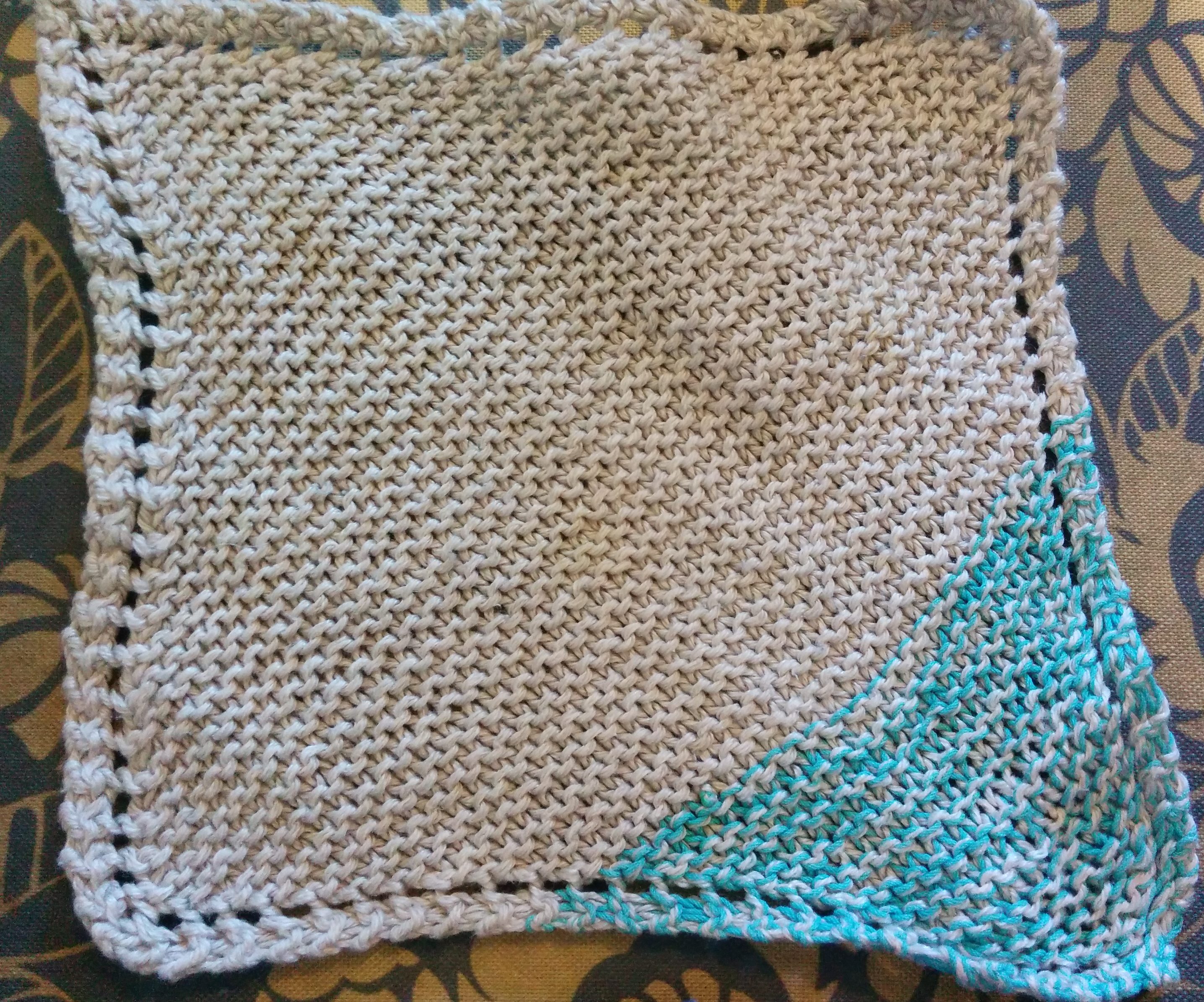
Dishcloth from salvaged yarn – straight from the clothes line!

The basic pattern goes like this:

Cast on 2sts

1st Row: Knit 1, yarn forward (yfwd), knit 1 (3 stitches)

2nd Row: Slip 1, knit 1, yfwd, knit 1 (4 stitches)

3rd Row: *Slip 1, knit 1, yfwd, knit to end (5 stitches)

Repeat from * until the work is half the size required. I like about 25-30 stitches for jute scourers and about 55-60 stitches for cotton dishcloths.

(Decrease rows)

*Slip 1, knit 2 together (k2tog), yfd, k2tog, knit to end

Repeat until 2 stitches remain.

K2tog, and (if you want to hang your cloth) chain 12, cut thread and tie off. With a darning needle, sew the end of the thread into the base of the first chain to make a loop. Over sew a couple of times and trim.

Because they’re quick to make and a very simple pattern, I can easily make one cotton cloth in an evening watching television or several jute scourers. I prefer to get my cotton from Op Shops rather than buying new, it goes well with the reuse/recycle ethic I try and live by. I’ve even made some from a cotton top that I unpicked, washed the hanks of thread to take some of the kinks out, and dried in skeins.

Many fabric or yarn shops sell string but the best jute I’ve found is in the gardening section of my local hardware store. It’s a little harder on fingers to work the stiff threads but they are brilliant for scouring pots and pans and once they’re worn out they can go straight into the compost instead of landfill.

Have fun and please let me know how you go with this simple, practical craft project 🙂

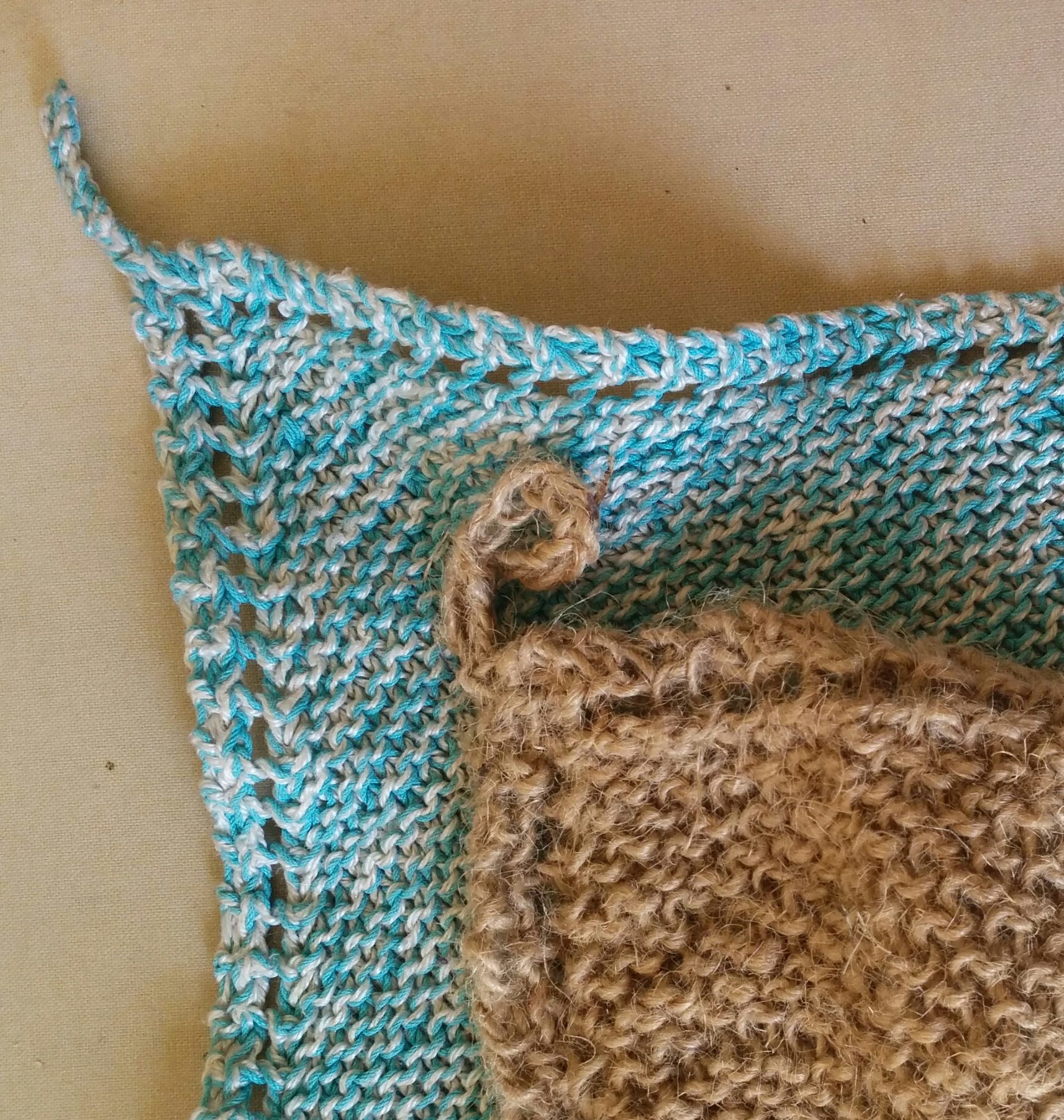
Dishcloth and scourer


Apricots and Eggs – A Story of Summer Glut

I had a day off yesterday and it was hot here in Hobart, so I decided to whittle down the egg glut a bit and bottle some of the bowls of apricots that were starting to take over the kitchen!

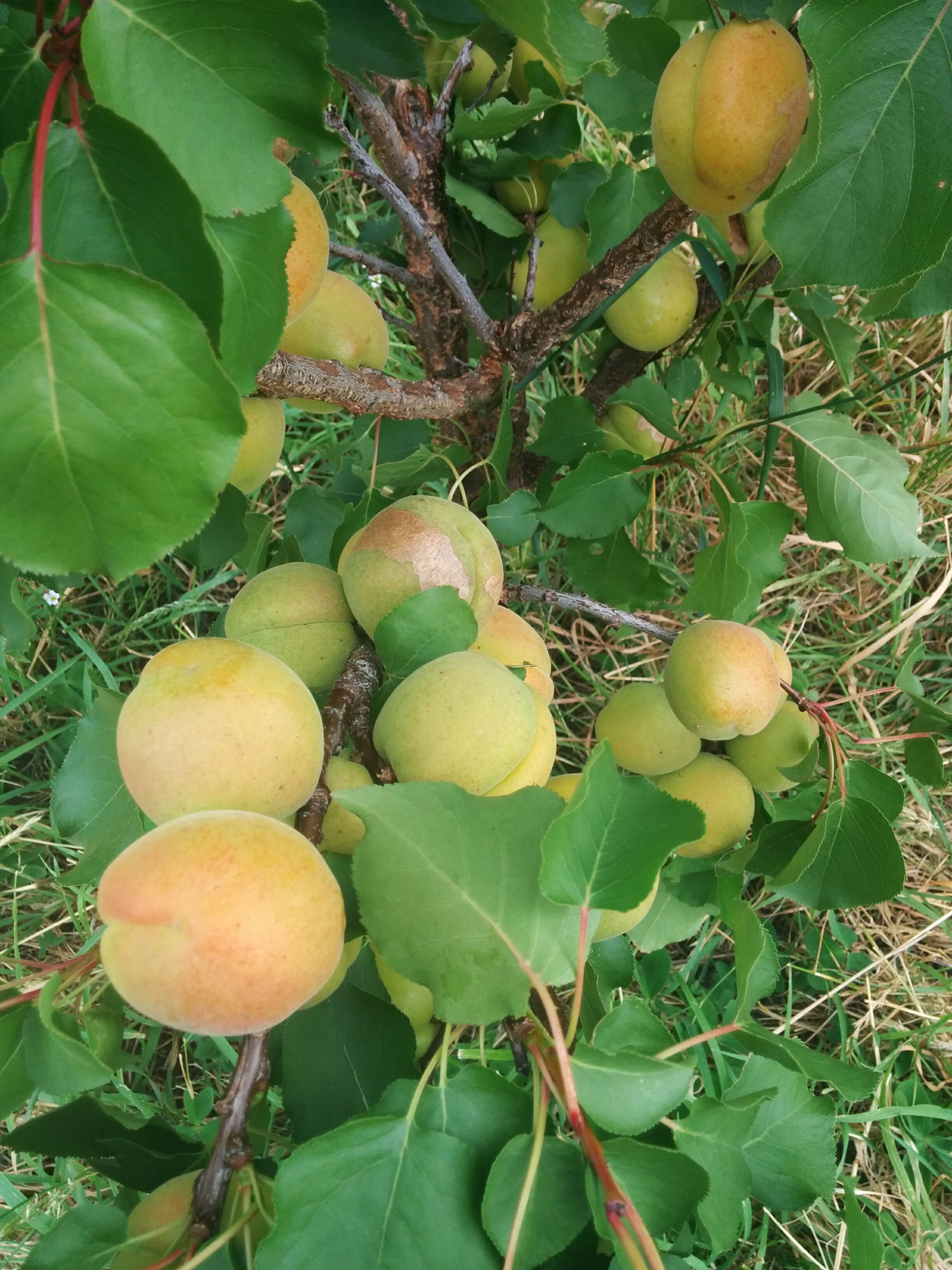
Apricots are my favourite summer fruit and I love growing my own. Sadly, the old Moorpark apricot tree that was in the yard when I arrived had brown rot and despite all my efforts, I had to cut it down two summers ago. Knowing I was fighting a losing battle, I planted a new tree about two and a half years ago, an improved Moorpark variety called “Brillianz”.

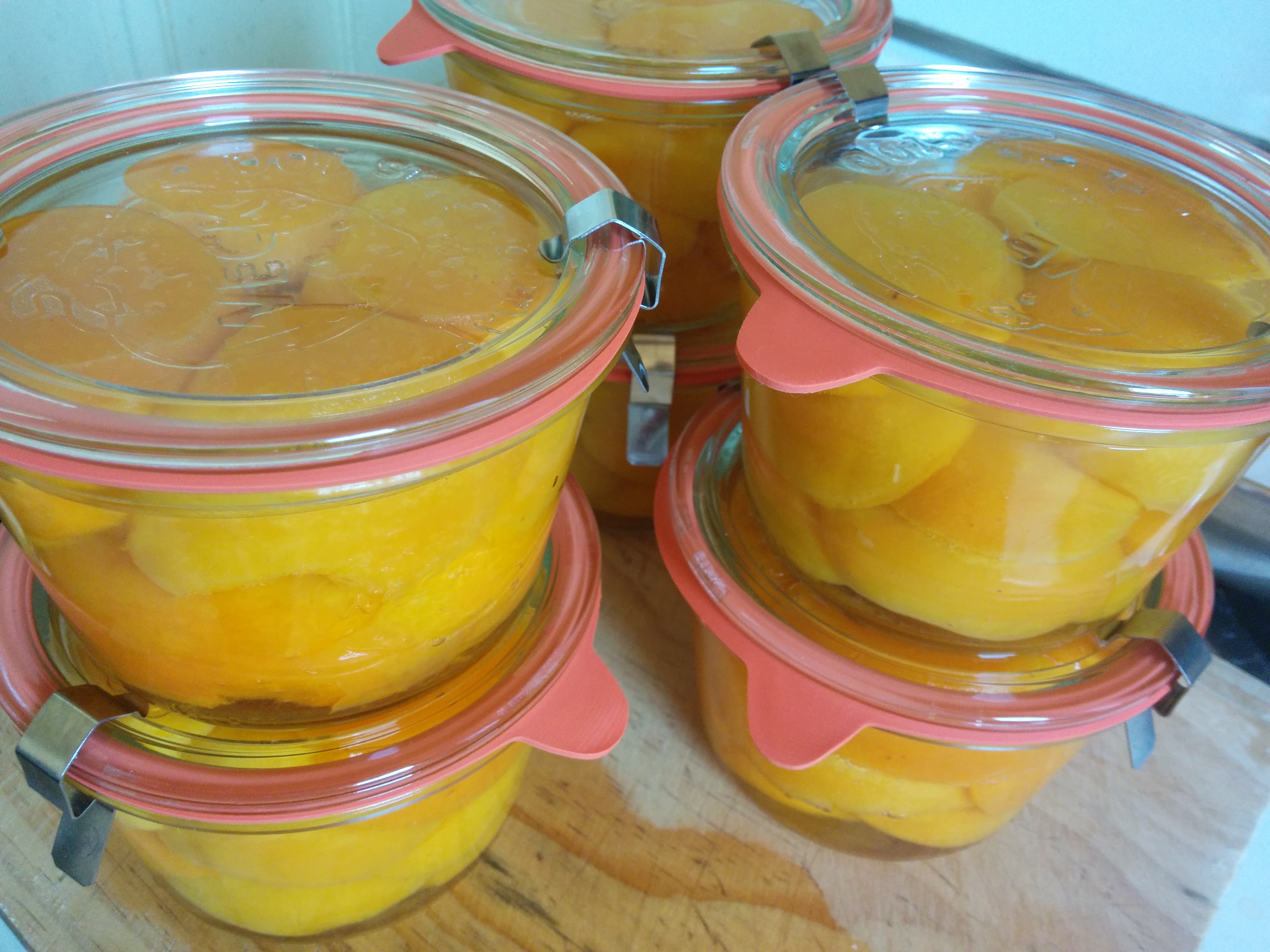
This is the first year I’ve let this little apricot tree set fruit and wanted to give it an opportunity to establish before taking on the burden of producing a full crop. It’s a lovely fruit to eat fresh but I also had a box of beautiful Weck preserving jars I wanted to fill up, and there’s nothing quite like opening a jar of apricots in the middle of winter to have in a pie or with custard – it’s like summer in a bottle!
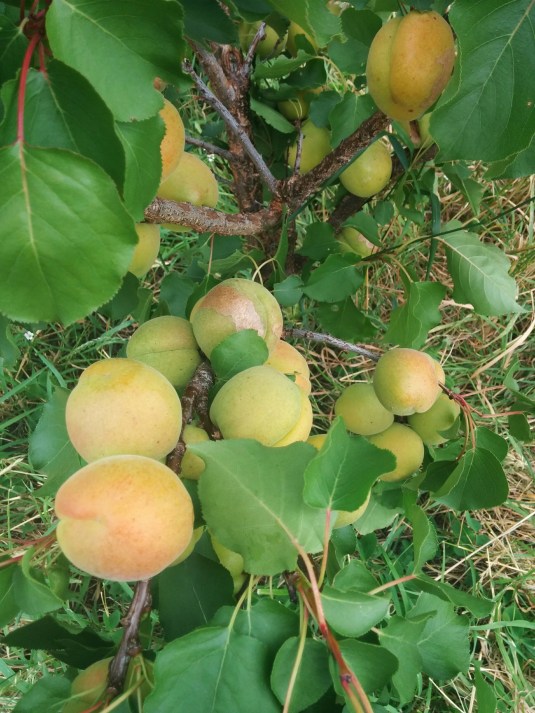
The littlest apricot tree a few weeks ago


Bottled Apricots (aka Summer in a Jar) 

Traditionally in my family, summer preserving was a family event, with everyone getting involved but we would often be processing very large amounts of fruit. Bottling (or canning as it’s called in the US) a couple of kilos of apricots is ridiculously easy and something I encourage everyone to do if they have the opportunity. They taste so much better than store bought and (particularly if you’ve grown the fruit) you’ll know exactly what’s in your jars. If you have access to home grown fruit and some reasonable bottling jars (they sometimes come up secondhand), your biggest investment is time. If I’m working alone, I like to put a podcast on or some favourite music to listen to while I work. Dancing in the kitchen is mandatory 🙂

Apart from the fruit, you’ll need the following;

Good quality preserving jars, lids/seals and bands/clamps

A large stockpot

Clean tea towel

Filtered or rain water

Tongs or bottle clamps

Cooking thermometer (I prefer the ones that attach to the edge of the stock pot. They’re inexpensive, easy to clean and easy to read)

I always start with the jars, lids, seals and/or bands, washing them thoroughly, checking for any chips or sharp points on the glass and rinsing them thoroughly in clean hot water. This simple step is possibly the most important in getting good results from bottling. Then it’s time to go over the fruit and with apricots, I always use slightly under or just ripe fruit. Over ripe apricots turn to mush with processing and are better eaten fresh or stewed and frozen.

And while I’m in the realm of “tips and tricks”, despite what many people say, it isn’t necessary to use syrup to bottle fruit successfully. I’ve always processed mine in just plain water (filtered or rain water) and never had a problem with either storage or flavour. Apart from being much healthier, it cuts down on cost and time.

With these lovely Weck jars, I filled them generously with halved fruit (pip or stone removed), topped to the brim with cold, filtered water, put the seal in place on the glass lid, covered and clamped down. Each 370 ml (12.5 oz) jar held six whole fruit, so in total I used 36 apricots.

I have a set of cheap stainless steel stock pots (thank you eBay!) for making things like jam, syrups or stock and I find them perfect for processing bottled fruit. The trick is to put something on the bottom of the pan to create a barrier between the heat source and the glass jars – a folded tea towel is excellent.

Put the clamped jars on the tea towel and pour in warm water, making sure the jars are fully immersed. Bring the temperature up to 85 C (185 F) over an hour and maintain this temperature for another 30 minutes.

At the end of processing, I usually wait another 10 minutes and ladle some of the water off before trying to remove the jars with bottling tongs. Dropping a glass jar with boiling fruit inside is really not a good look, so please take care with this part of the process! Put the jars on a cooling rack or board out of the way, so you don’t have to move them the rest of the day. Allow them to cool completely before trying to test for a seal, and any that haven’t sealed properly are still fine to eat. They will keep for a few days in the refrigerator and make a great quick dessert.

Once the sealed jars are cooled, label them and store on a pantry shelf, away from direct sunlight. They will last unopened for at least a year, though I doubt this little batch will make it past winter!

My chickens won’t stop laying this summer and I found myself again with way too many eggs for my household to deal with. I decided to make some very simple little egg-based tarts to freeze for lunches with some local bacon and a pastry that uses oil instead of butter. This is the basic recipe but it can be dressed up by adding a little minced garlic and/or onion when cooking the bacon or with a little grated parmesan and finely chopped herbs. If you want a vegetarian option, the bacon can be left out and substituted by lightly frying minced garlic, onion, finely shredded celery and mushroom. The options are as endless as your imagination – and what you’ve got on hand.

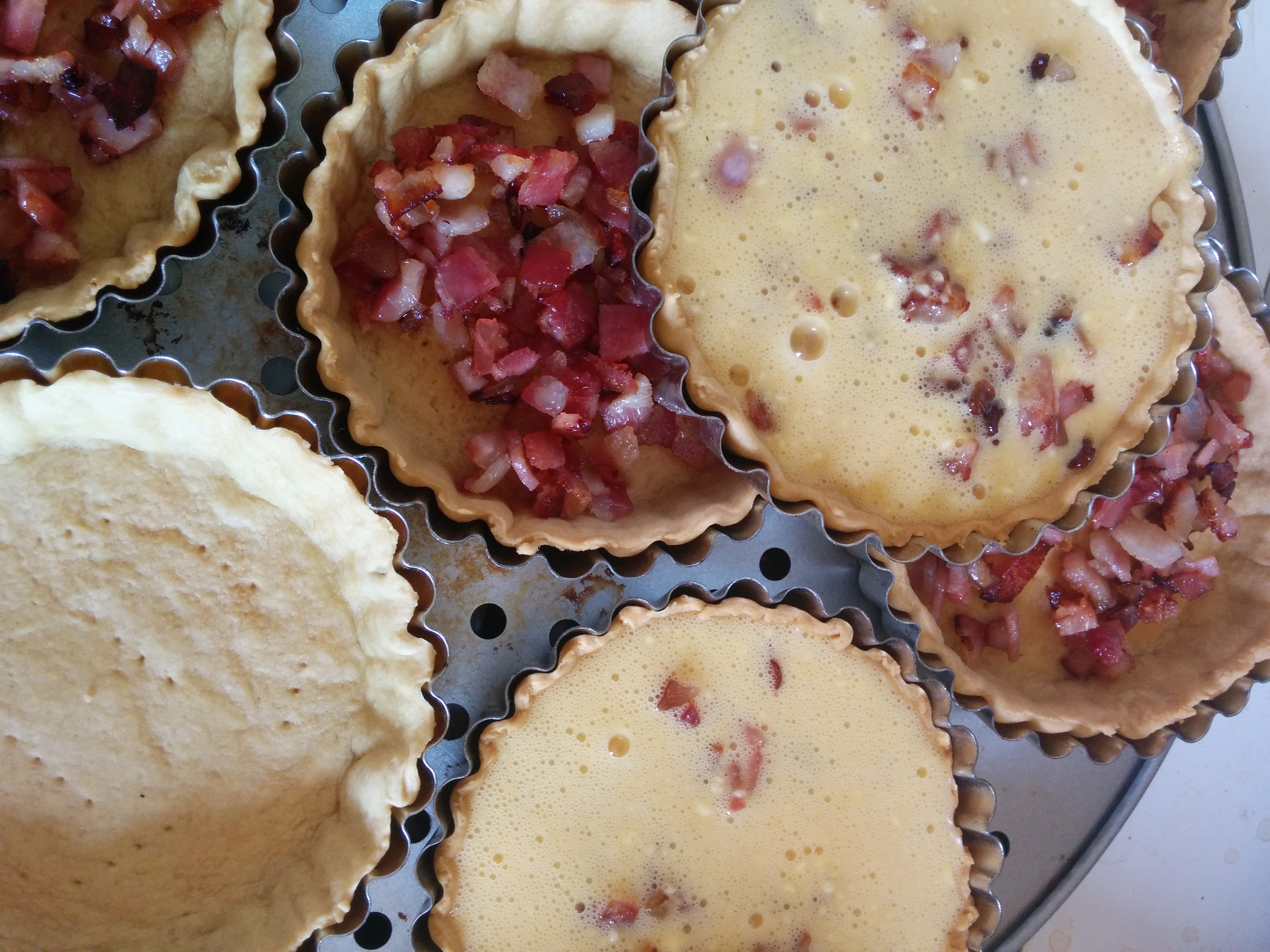
L-R: Blind baked case, bacon and bacon with ladled egg mixture

Simple Egg and Bacon Tarts (Makes 10)

Pastry:

1 cup (250g) Plain Flour

½ teas Baking Powder

Pinch of salt

¼ cup olive oil

Up to ¼ cup water

Mix dry ingredients in a large bowl, making a well in the middle. Add the oil first and mix thoroughly (it should be crumbly and soft). Then add water, a little at a time, to bring it to a ball. Cover and put in the refrigerator for at least 10 minutes.

Cut the dough in half and cover the unused portion so it doesn’t dry out. Roll out the other half of the dough on a lightly floured surface – I cheated and used my hand-cranked pasta machine and it was perfect!

Use a bowl or small plate to cut out rounds slightly bigger than your tart pans (mine are old Willow 3” tins) and press the pastry into each tin. Fork them to stop the pastry rising or use baking beads (or a handful of dry haricot beans) and blind bake for 10 minutes in a moderate oven. Allow to cool before filling.

Filling:

6 rashers of bacon, diced

12 fresh eggs

¼ cup flour

Grated nutmeg

Seasoning to taste

Parsley &/or chives, chopped finely (optional)

In a heavy pan, gently fry the diced bacon until it’s browned. Take off the heat and with a slotted spoon remove to a plate lined with kitchen paper to drain and allow to cool.

In a large mixing bowl, break the eggs and whisk them very well. Add a little grated nutmeg and season to taste and mix in chopped herbs if using. Sift the flour in and mix thoroughly, making sure there’s no lumps.

To assemble, arrange the ten pastry shells on a baking sheet and divide the bacon into each. Using a large spoon or soup ladle, divide the egg mixture into each shell, being careful not to overfill them. Bake in a moderate oven for 10-15 minutes.

Remove from the oven and cool for a few minutes before taking them from the tins, then allow them to cool completely on a rack. One per person with a green salad makes a lovely light lunch.

Enjoy and let me know how you go with these simple recipes 🙂

The finished tarts, cooling on the rack
No Resolutions – 2017 in Review

kunanyi/Mt Wellington sunset from my backdoor

Well, here we are again. Another year has sped by and I’m in the midst of some well-earned time off from teaching and contract work.

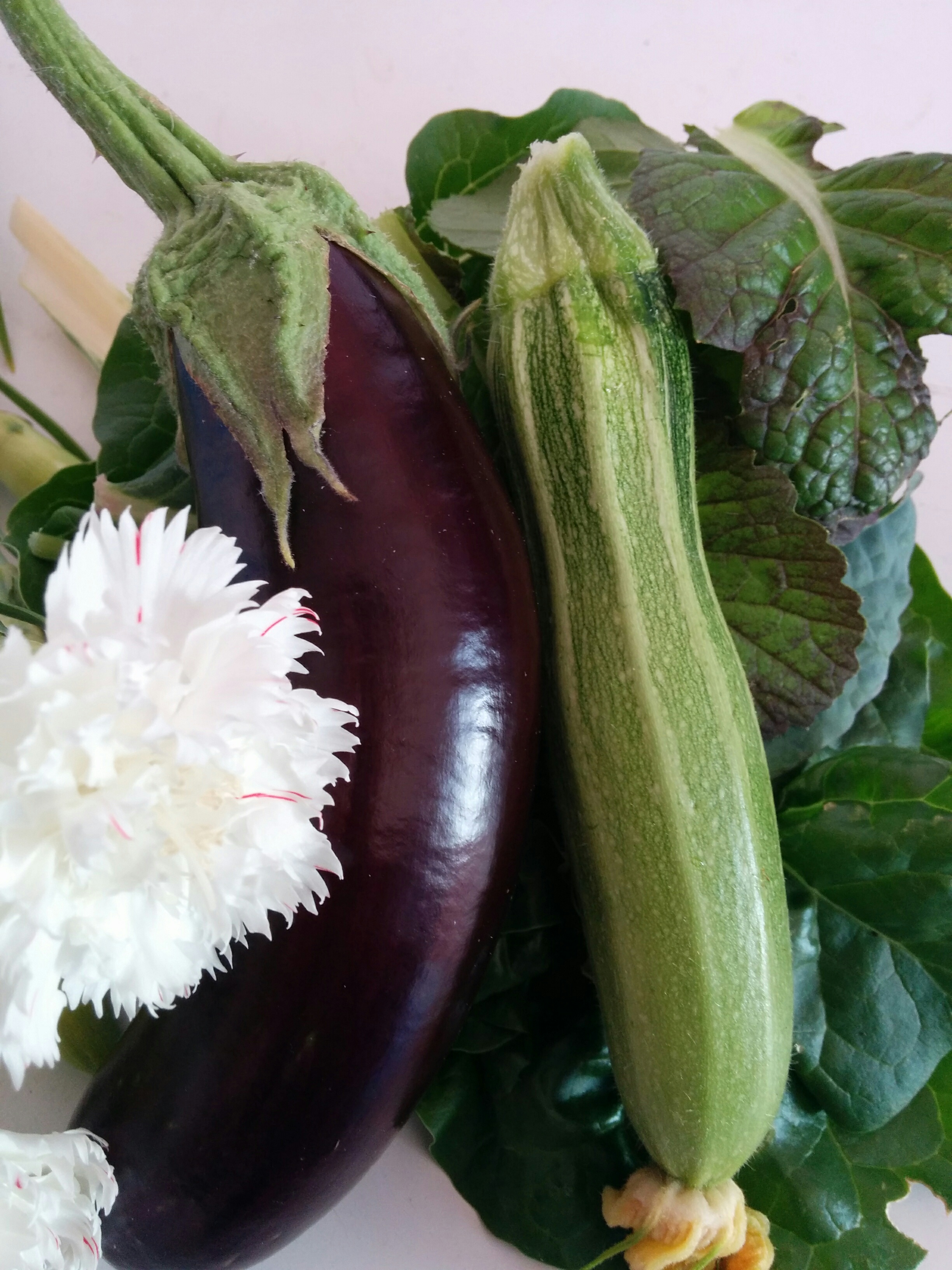
The garden beds are looking a little better as I’ve had more time to pull some weeds, which keeps the chickens happy. In turn, they give me and mine enough eggs to make summer pavlova to go with raspberries from the ever-expanding patch. Vegetable peelings go to the chickens and also to the three worm farms that are on constant rotation and in turn, replenish the garden beds with casings and provide foliar fertilizer. So, there’s plenty of salad greens for picking, plus finger eggplants, the first of the zucchinis and chillies coming on.

First eggplant for the year

The rabbits (our other weed eaters) laze in their shady spot near the chestnut tree, which has just finished flowering. The waste from their hutches goes back onto the various veggie beds and fruit trees as a feeding mulch. Although I do bring in some extra materials (particularly magnesium and dolomite), it’s all a circle really.

This past year has been a lot of hard work (especially with respect to study) but it has brought many rewards, both tangible achievements and simple, old fashioned happiness. Above all, I’m well aware of how lucky I am, living in one of the loveliest places on the planet, grateful to get paid for doing things I love and that I’m surrounded by wonderful people (you know who you are – and thank you!)

I have no personal resolutions for 2018, just to be in the circle for another trip around the sun and to continue what I’ve been doing – studying, urban farming, writing, teaching music, watching films, cooking and writing film criticism.

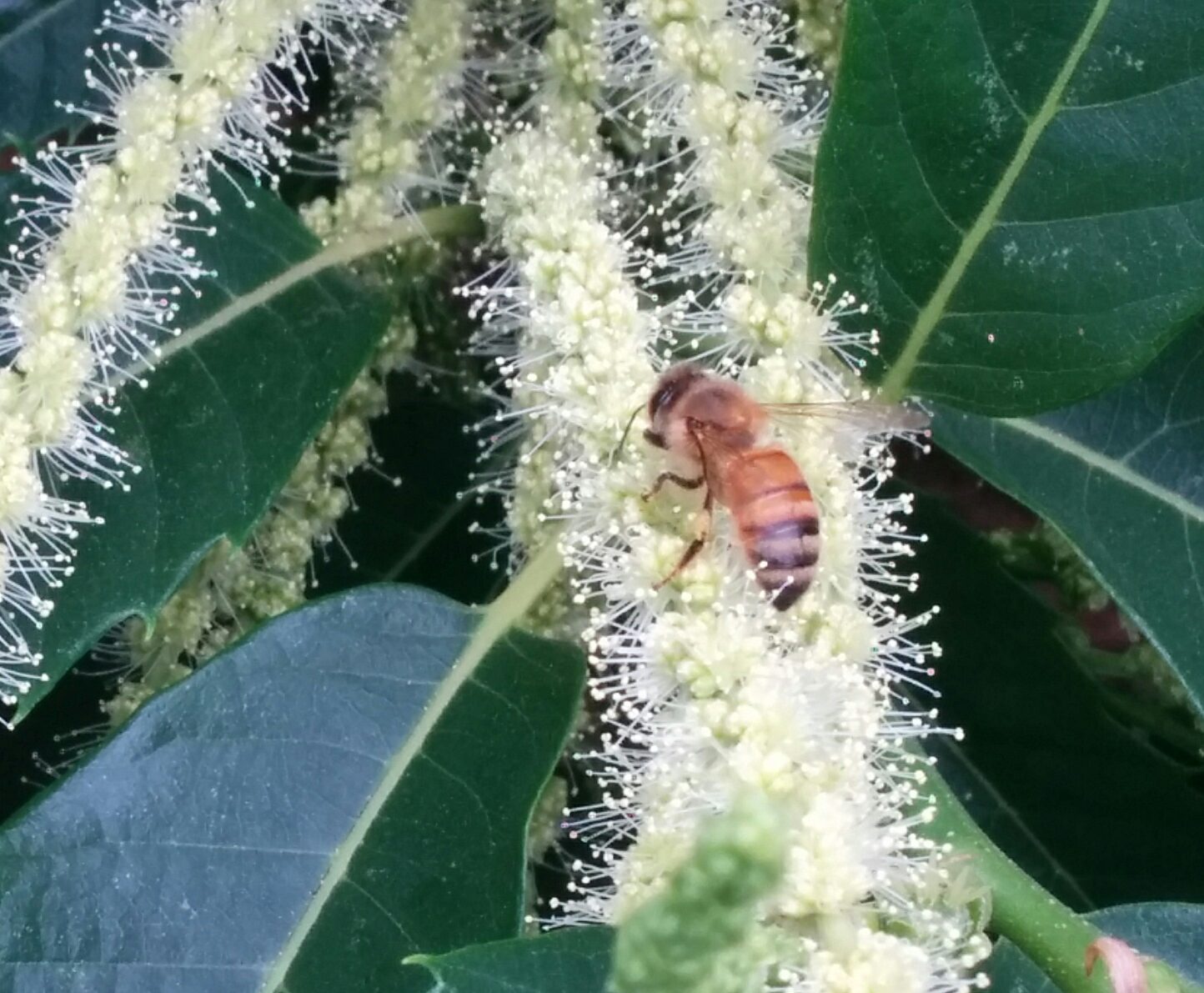
It’s quite a lot really, sometimes almost too much – as my partner and GP both like to remind me! – and while I was preparing photos for this post, I discovered this glorious bee I snapped a couple of weeks ago in the chestnut tree. It reminded me the name Debra comes from the Hebrew and means “industrious, as a bee”.

Seasons greetings to you all and may the coming year be all you want it to be ❤

Chestnut in full flower

Birthdays, Books & Basil

Well, I’ve managed another trip around the sun. I had a lovely, relaxed day, read books, did some work in the greenhouse, hung out with friends, ate junk food for dinner and watched stuff. If I’d have played music and baked myself a cake, I would have covered all my favourite things 🙂

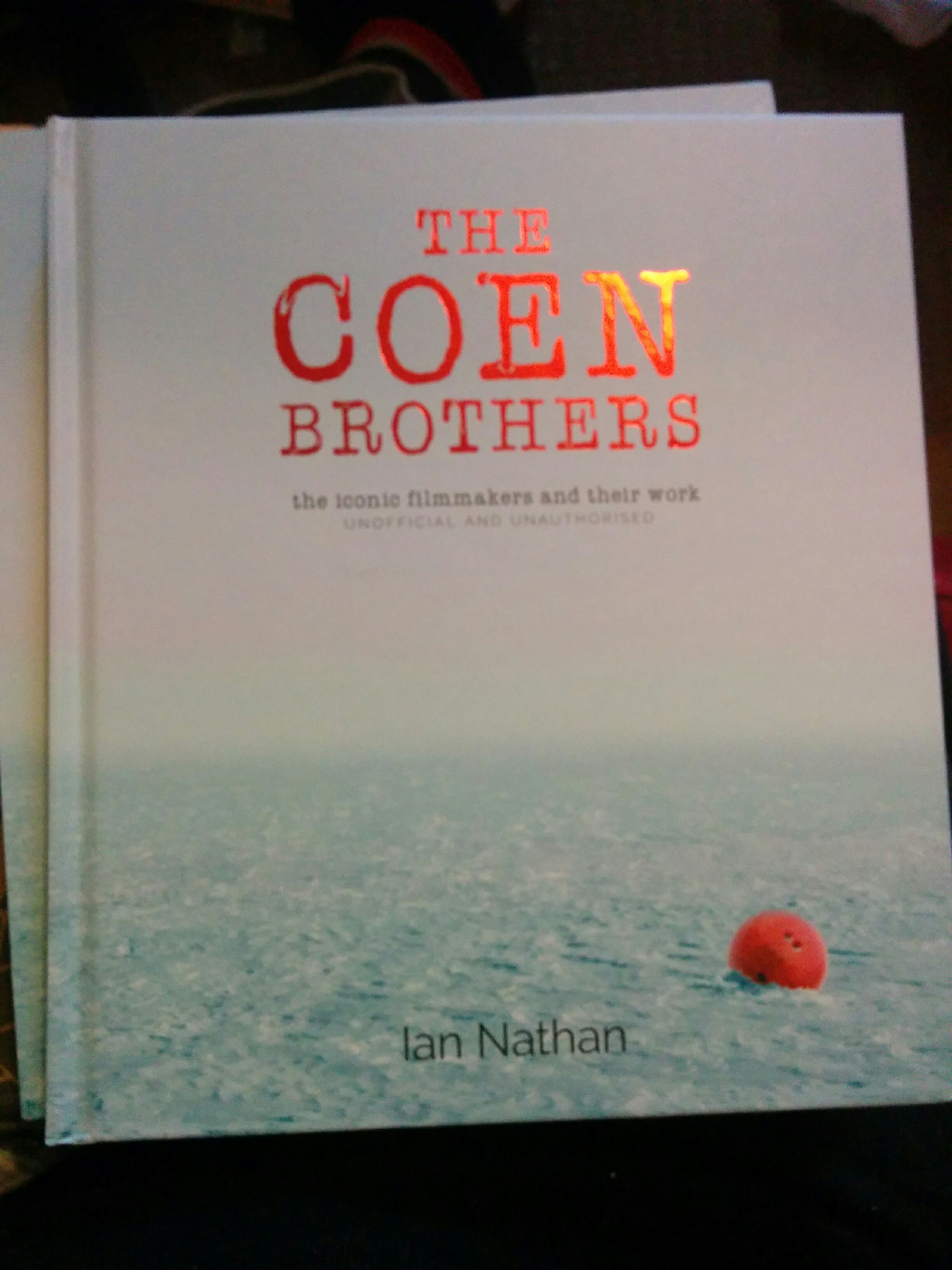
The perfect present for a film-nut like me!

After the unseasonably hot weather throughout November (it was Tasmania’s hottest spring on record) we’ve had a cold and very wet start to summer. I spent some time yesterday and today in the greenhouse, potting up basil seedlings and some replacements for the inundated early tomatoes. It’s currently about 10 C (50 F) and it’s been raining pretty well constantly since Friday.

This morning, there was water pooling in garden beds and I had to empty the overflowing rain gauge. The zucchinis and leafy greens are loving it but I seriously don’t want to think about the potatoes right now! Sadly, the beans, tomatoes and corn are all looking quite poorly and will likely need replacing. It looks like I’ll have late crops again! My heart goes out to folks in Victoria though, who are getting the worst of this wet spell.

I’m hoping it won’t do too much damage to the baby stone fruit and apples but the berries are looking very sad. I’ve braved the rain and picked what I could but they won’t be the tastiest this year. Hopefully, the rain will ease in the next few days and we’ll get some sunshine to help convert the starches to sugars in the remainder of the crop.

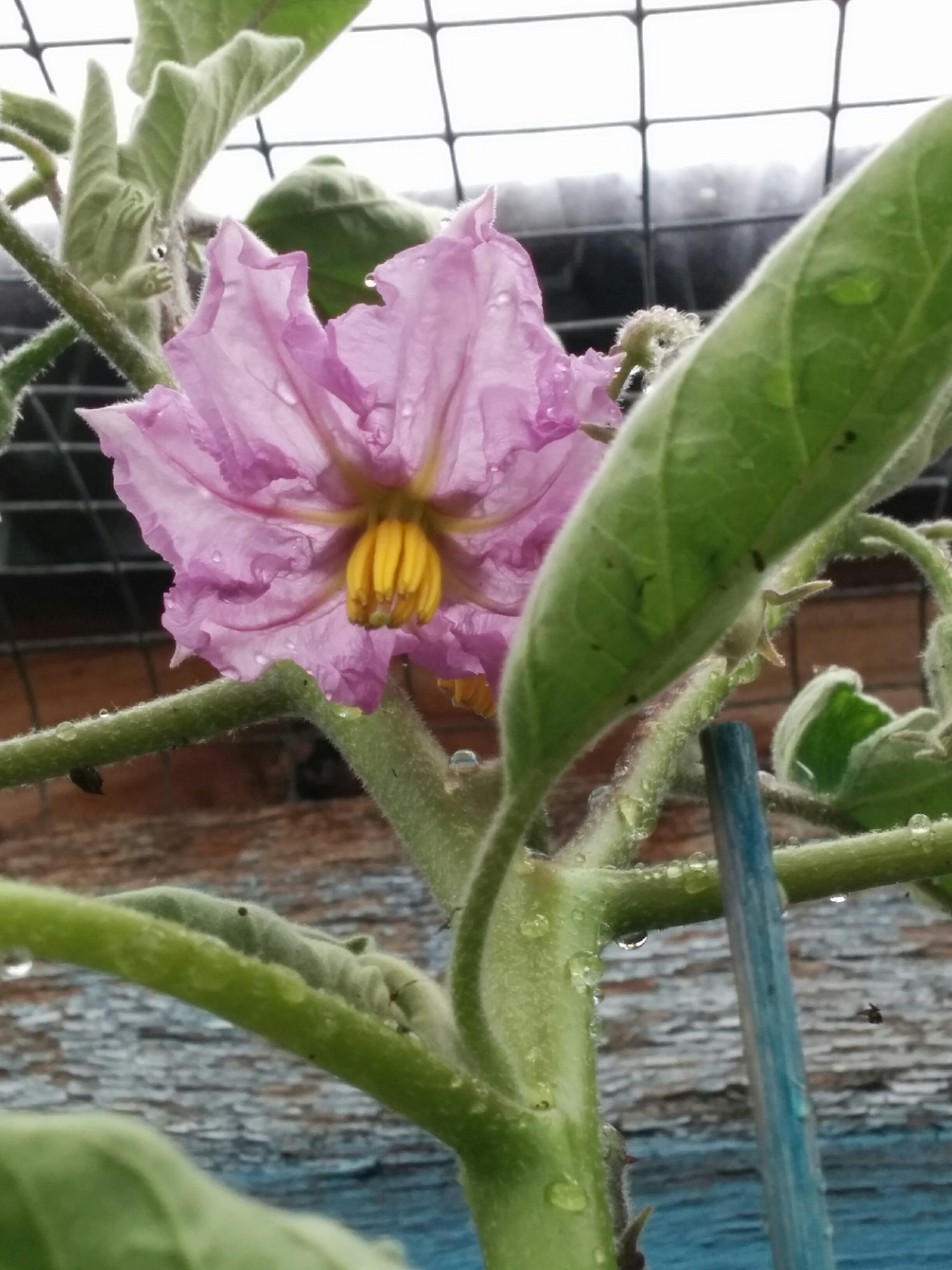
Because of Hobart’s unpredictable weather, I tend to grow chillies, eggplants and basil in my greenhouse in pots. I’m really pleased so far with the eggplant (above), which is sporting some beautiful purple flowers and the Habanero chilli (below) is setting fruit already 🙂

I managed to pot up 35 or so mixed basil seedlings, which is about half of what I’d like to have for oil and preserving but I’m going to plant more seed next week. There’s shiso/perilla still to go into pots and I have to see if I can salvage more chilli seedlings from the ravaging slugs – they decimated my early plantings and this wet weather is only going to encourage them!

On a positive note, I saved an aloe vera at the start of the year, (it was literally dying of overcrowding and neglect) bought it home, divided it put it into a good potting mix and fed them all. The main plant or “mother” is on a shelf in the bathroom and loving its new home, and I left the offshoots or “pups” in the greenhouse to see if they’d survive. When I was given the plant, the whole thing was a very sickly yellow/green. So I was thrilled to see this morning that the pups are setting out new pups of their own 🙂

Meanwhile, the cricket’s on the TV and that book about the Coen brothers is giving me “come hither” looks again. I’m off to snuggle under a blanket and read.

Maybe tomorrow it’ll be summer 🙂

Storms & Salads – Day 30 NaBloPoMo 2017

So, here it is – number thirty – the last post for this year’s NaBloPoMo.

Traditionally, it’s also a time of contemplation for me, a couple of days before my birthday and there’s only a few weeks left of work and indeed, this year.

It’s hot in Hobart again, and I went into the city today. Got almost all the xmas shopping done (thanks to Richard & Mike at Cracked & Spineless) and went to see my GP for blood test results. This time last year, I was trying to recover after my thyroid decided to simply switch off, and it left me devastated, constantly tired and barely functioning.

Above all things, this year has been about getting back to some semblance of normality. 12 months on, my doctor’s really pleased with my progress – I’m on the right dose of thyroxine, my diet and supplements have brought my notoriously low iron and vitamin D levels back to normal – I feel well again.

One of the major things my GP identified as a contributing factor is my diet. While I eat meat, I always say my favourite meal of the day (year round) is salad, and I have the ability to grow my own.

For that, I’m truly grateful.

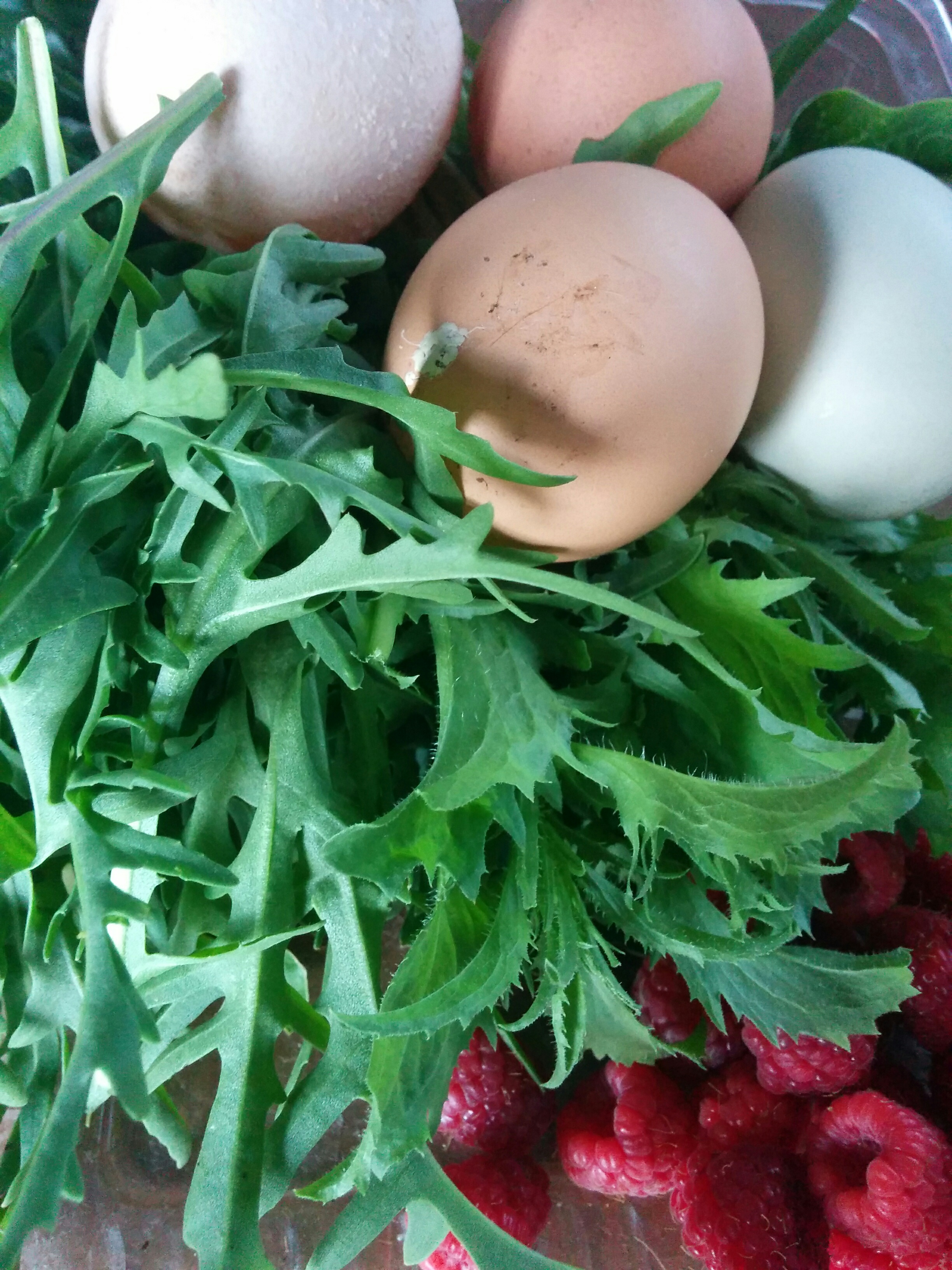
Tonight’s salad feast from the garden included a few young silverbeet leaves, sharp and tangy endive, young tender kale, fresh celtuce and crisp perennial rocket. I added a little grated carrot, red onion, sliced mushrooms and a chopped hard boiled egg from the ladies who lay and dressed it with a little basil oil and vinegar from last summer.

And the first of the raspberries for dessert ❤

I’m taking a few days off but I’ll see you again soon. One of the things I want to try and do is write more regularly here apart from NaBloPoMo. Let’s see how much life gets in the way of my good intentions!

Meanwhile, there’s been some thunder and a little rain tonight but it’s still too hot. I hope it breaks soon, I’ve got more gardening to do!

Take care ❤

My stormy mountain

Chickpea Curry – Day 29 NaBloPoMo 2017

I love beans and pulses and use them a lot. They’re great in everything from salads to stews and I also use them to fill out otherwise meat based curries. Rather than buy tinned beans, which often contain a lot of salt, I like to buy mine dried and cook them gently in the slow cooker. Once they’re cool, I drain and bag them into meal size portions and freeze them for later use.

Today I cooked 500g (1.1 lb) of dried Australian chickpeas with just water and a bay leaf, and decided to make a curry for dinner.

This is a filling and healthy vegan dish, but if you want more protein and feel inclined, add a chopped hard-boiled egg. This slow cooking with the tomatoes first, reduces the liquid and makes the onion, garlic and ginger cook slowly, infusing the tomatoes with their flavour without risk of burning. The result is a more dry-style curry, which is lovely to eat with flatbread. As I often find with curry, the flavours improve and deepen overnight and after my generous bowl tonight, there’s still enough left for lunch tomorrow 🙂

Chickpea Curry (Serves 2)

Curry Base:

1 tab oil

1 onion, diced

2 cloves garlic, minced

2 teas ginger, grated or minced

400g tomatoes (bottled or tinned), drained

1 teas honey

2 cups chickpeas, cooked & drained

1-2 hard-boiled egg, chopped (optional)

2 cups shredded green leafy vegetables (silverbeet, spinach, mustard greens, kale or collards)

Spice Mix:

½ cinnamon quill

1 tab cumin seed

1 teas coriander seed

1 teas cardamom seeds

1-2 dried chillies

¼ teas dried turmeric, grated

Method:

In a heavy saucepan, heat the oil over a medium heat. Add the drained tomatoes, onion, garlic and ginger. Stir until the mixture is simmering and add the honey. Stir this through and reduce the heat.

In a spice grinder or pestle and mortar put all the dried spices and grind to a powder. Stir this into the simmering tomato base. Add the drained cooked chickpeas, cover and continue to simmer very slowly for about 10-20 minutes.

If you’re using it, add the chopped hard-boiled egg and stir it through. Just before serving stir through the shredded leafy greens.

Garnish with chopped Coriander leaves and serve with plain rice or flatbread (paratha, chapatti, roti, naan are all good). I used homemade sourdough flatbread, the same recipe as earlier in the week.

I chose to go without the egg, and with my own bottled tomatoes and dried chillies from last summer, fresh silverbeet from the garden and fresh made sourdough flatbread, this dish was rich, very filling and incredibly satisfying ❤

Tuesday Treasures – Day 28 NaBloPoMo 2017

I was absolutely thrilled today – because I had to go to work 🙂

It’s a wonderful thing to look forward so much to something that too many people consider a chore – but the crew I work with are fantastic, and this time of year is pretty awesome. We’ve got the Oak Food Garden up to a point where we’re starting to harvest a lot of food!

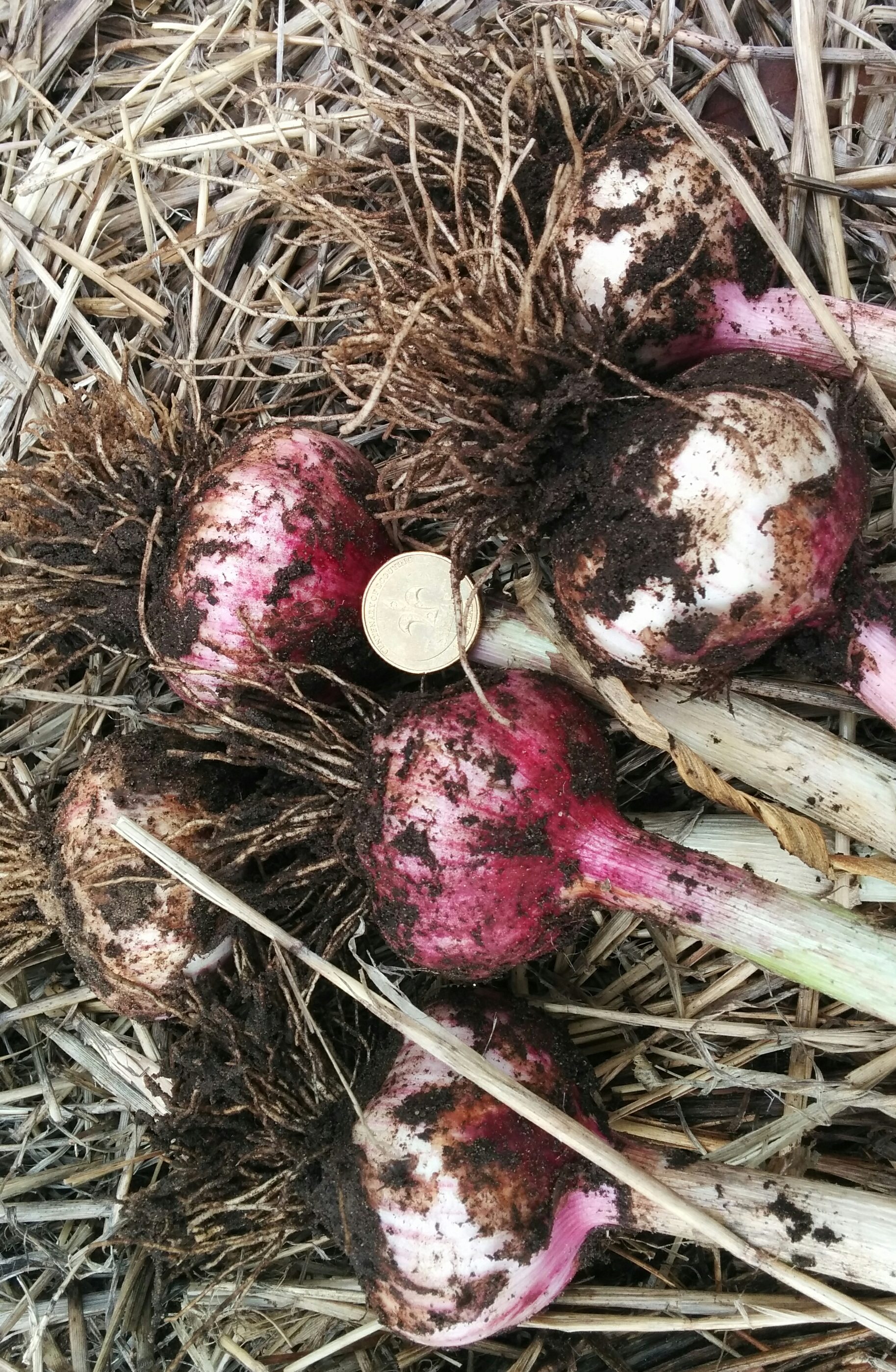
Today, we harvested the rest of the broad beans and they’re going to be (mostly) blanched and frozen for use by the Wednesday Cooking crew in the next few months. We also pulled our experimental garlic crop, one of the first things planted back in February and they’re now hanging inside to cure. This was grown from a head I provided – the same garlic that more or less failed for me this year. It’s given me some clues as to why mine didn’t do well this season, my soil is just that much heavier and holds a lot more moisture.

Beautiful huge heads of garlic – note the $1 coin for size reference!

Although they’re a bit late to be going in, we planted a lot of tomatoes today, that we hope we’ll make into Passata come autumn. The Wednesday Cooking group are making healthier lunch options and have been making pizza and salads. We harvested a lot of salad greens for them today, Cos lettuce, endive, tiny white celery flowers (absolutely delicious in salad!), silverbeet and red orach.

This is the first pick of the orach, which we planted fairly thickly from seedlings I raised only a couple of months ago. While we were picking, I discovered a volunteer tomato, looking very happy. I thought it might have come from someone’s lunch tomato that could’ve ended up in the bed (we’ve only reclaimed the area in recent months), but further along the row, I discovered more healthy tomatoes! Every one up against an orach plant!

Red Orach and sneaky Volunteer Tomato

Then the penny dropped.

Two years ago, my friend Sara gave me some Roma tomato seedlings she had no room for. I had a great crop and dried most of them, the seeds ending up in the worm farm. The following winter, I must have used that tray of compost in one of my wicking barrel dwarf apples – and got a bonus crop of tomatoes last summer!

I dried some of those too and would’ve put the seeds in the worm farm – I hate wasting anything. And of course, I used some worm compost in my potting mix when I grew on the orach seedlings a month or so ago. So, the interlopers will be cossetted and cared for, eventually overwhelming the orach, and I hope they crop as well as they have for me the last two years 🙂


Mad Monday – Day 27 NaBloPoMo 2017

A quick post tonight after a very mad Monday!

I realised fairly late in the day that I had no burritos or tacos to go with the wonderful beef and bean taco mix the Gentleman of the House (aka GotH) had made up while I was out at work. I usually make fairly big batches of my own wheat tacos with bread flour, a little water and a dash of oil – just enough to pull it all together – roll them out and freeze the leftovers. Sadly, the freezer was bare!

So, while I was feeding Wee Beastie, my sourdough plant, I struck on an idea that turned out to be a total winner. I love having real sourdough but we don’t go through a lot of bread in this household, so I’m always looking for ways to use up excess starter.

Here’s the recipe:

Wee Beastie Burritos (Makes 4)

1 cup strong bread flour

1/4 cup sourdough starter

1/8 – 1/4 cup water

1 tab olive oil

pinch of salt

extra flour for dusting

Method: 

In a mixing bowl combine the bread flour and salt. Make a well in the center and pour in the sourdough starter. Mix with a wooden spoon until it resembles bread crumbs. Add the water a little at a time until it comes together in a ball and mix in the oil. It should come away cleanly from the side of the bowl.

Turn out on a lightly floured board and knead it for a couple of minutes, it should be quite smooth and elastic but a little drier than a bread dough. Put it back in the mixing bowl and cover, leaving it for about an hour.

Prepare a heavy-based fry pan on medium high heat. Turn the dough out onto a lightly floured surface and knock any air out of it. Cut it evenly into four pieces. Roll out each piece to a thin, roughly pan-sized circle and cook in the dry fry pan a minute or two on each side. Be careful not to burn them!

Wrap the cooked burritos in a clean tea towel – I take them to the table like that!

Fill with your favourite taco or burrito mix (we had Chilli Beef and Black Beans tonight), grated cheese and chopped leafy greens, Italian parsley or coriander leaves.

I’m going to make more of these for the freezer later in the week I think – they were delicious! If you try this recipe, please let me know what you think – I’m keen for feedback 🙂

Friday Night Chicken – Day 24 NaBloPoMo 2017

Before I left for work this morning, we decided on chicken breast for tonight’s dinner. We really weren’t sure what to do with it but we wanted it to be easy – it’s been a busy week and the weather’s still very warm!

I’d been to our local deli on the way home and picked up bacon (among other goodies) so we thought we’d stuff the breasts, wrap them in bacon and bake them. But what to use as a stuffing?

Well, when I was a kid, things wrapped in bacon and grilled were a bit of a fad. Angels on Horseback and Devils on Horseback (oysters and prunes respectively) were really popular as hors d’oeuvres – and I still have a jar of prunes from last year’s plum crop 🙂 As I mentioned last week, the early garlic harvest has been less than wonderful but it tastes wonderful and even though it isn’t properly cured yet, we decided to start using it.

It was really very easy and the results were delicious! Here’s the recipe:

Garlic & Prune Stuffed Chicken Breast (Serves 2)


2 skinless chicken breast, butterflied

4 dried prune halves

1/4 cup Marsala or dry sherry

2 full rashers of bacon

4 cloves garlic, chopped fairly finely

2 tabs butter, softened

Herbs/spices for topping (we used a Moroccan-style mix with some chilli – but use what you prefer)

Method: 

In a small bowl, soak the prunes in Marsala for at least a couple of hours – the longer the better. Once the prunes are plump, drain and chop them roughly. Put them back in the bowl and add the garlic and softened (room temperature) butter.

Open the butterflied chicken breasts and spoon the prune/garlic butter mixture down the center. Close them and press down lightly to seal the edges. Sprinkle with herbs and spices of your choice. (If you like to add salt, this would be the time for a sprinkle)

On an oven tray, lay 2 rashers of bacon diagonally and lay the chicken breasts across them. The tails of the bacon should wrap across the top of each breast.

Bake in a moderate oven until the chicken is cooked through (20-25 minutes).

I made a very quick couscous with vegetables as a side.

It was absolutely delicious and a lovely quick dinner to make together at the end of another frantic week. The chicken was succulent, fragrant with garlic and the bacon was lightly crisped on top. The Marsala soaked prunes pieces added some sweetness without overwhelming the dish. Couscous was the perfect companion to this – light, fluffy and full of garden herbs and vegetables.


We’ll be making this again for sure ❤

Tomorrow The Superstars are performing at an Oak luncheon. Hopefully, there’ll be some photos too 🙂

Shortcuts & Syrups – Day 23 NaBloPoMo 2017

I resolved to have an indoor day today, trying to survive this Tassie heatwave, and decided to get some kitchen jobs done.

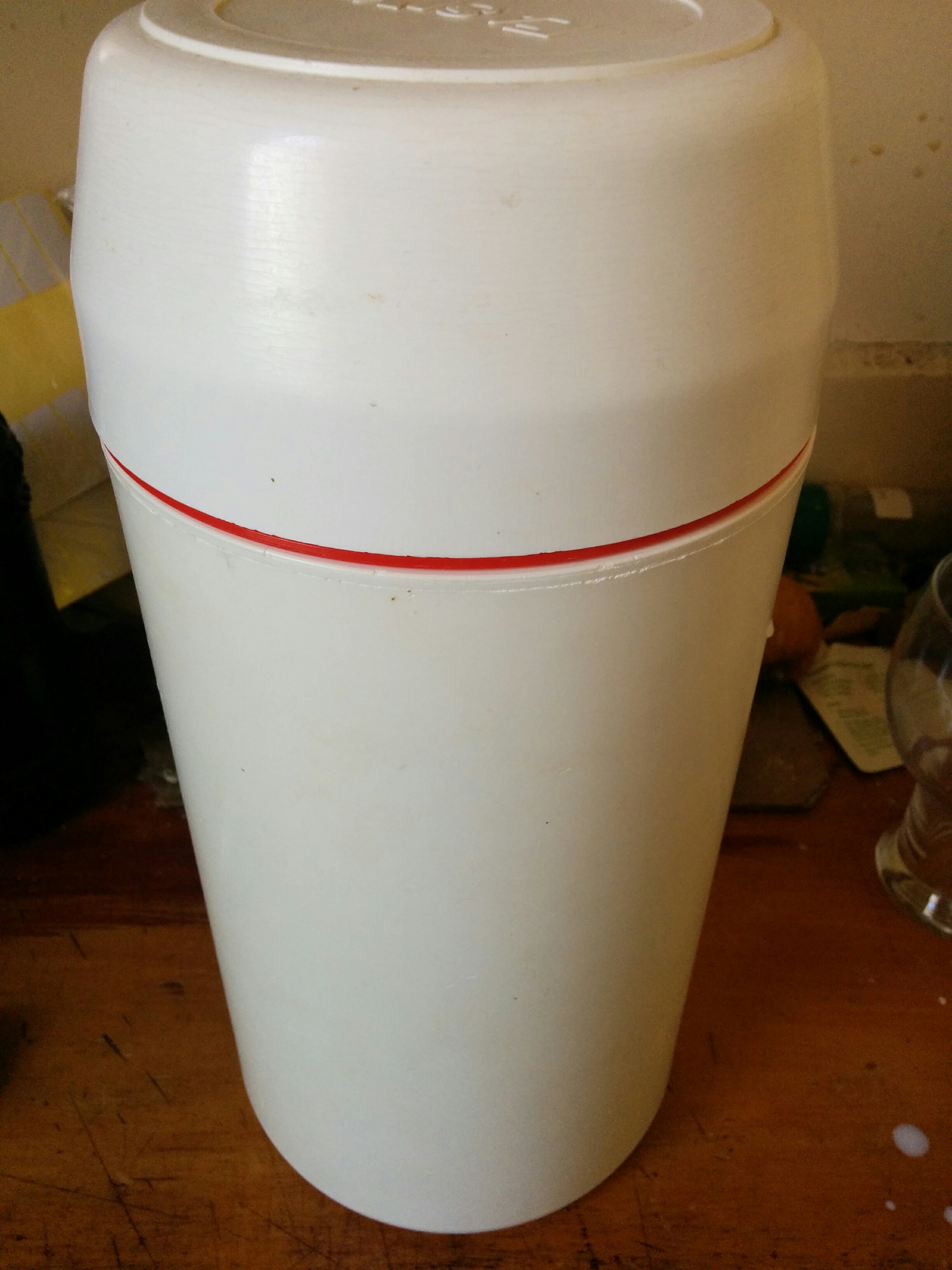
Realising I was all but out of yogurt early this morning (enough to change my breakfast plans) I decided to do what I call a shortcut jar, and it couldn’t be easier. I have an ancient EasiYo passive yogurt maker I bought new about 20 years ago. It’s probably one of the best purchases I’ve ever made as my family go through a lot of yogurt! Although EasiYo sell sachets of starter, I generally use a dollop of the last batch and refresh it with new starter culture every few months. My preferred starter is plain Greek style.

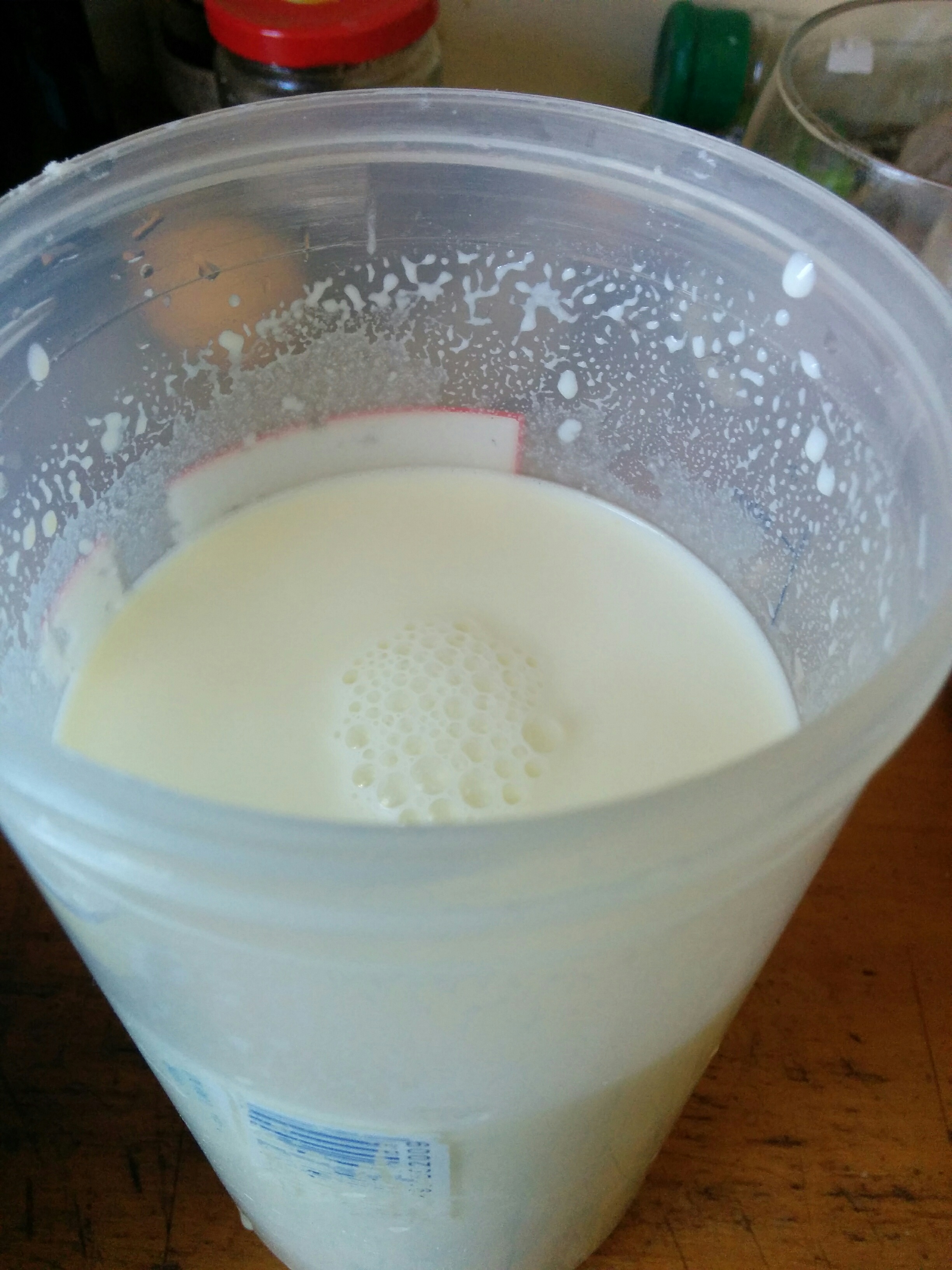
To save having to go to the shop for extra fresh milk, I took a favourite shortcut, and used powdered full cream milk. It’s a great thing to have in the pantry cupboard in case I run out of real milk, and I also use it to enrich sauces, puddings – and yogurt! For my 1 litre tub, I use 1 1/4 cups of milk power mixed thoroughly with about 500 ml cold water. Filtered or rain water is best for this, as tap water additives can inhibit the culture.

Once the milk powder is well incorporated, I add a generous half cup of yogurt from the last batch

Mix thoroughly and top up with cold water if necessary.

Then it’s just a matter of filling the maker with boiling water, making sure the trivet is the right way up, and putting in the yogurt jar and screwing on the lid. Leave it for 8-12 hours, depending on how sharp you like your finished yogurt. I generally leave mine 9 hours but a little longer if I’m making cheese from it.

The finished product is really lovely, creamy and tangy. Perfect with fruit, making smoothies and using for dips and dressings.

Once the yogurt was out of the way, I juiced a bag of oranges that were past their best but still good, and about 10 grapefruit I was given by friends a few weeks ago. I used the same standard recipe I have for lemon syrup and it made about two litres.

Finally, I bottled my stash of spring grapevine leaves (close to 50), destined for dolmades later in summer. After cleaning them all and removing the stems, I blanched them in a strong boiling brine, plunged them in a pot of icy water and (once they were cool enough to handle) rolled them up in bundles of 10. I put them in a small preserving jar and covered them with boiling brine and 1 teaspoon of Citric Acid. Then I processed them along with the bottles of syrup for 15 minutes.

It was hot work, but totally worth the bother. The syrup is sharp and sweet, perfect in iced water as a refreshing drink – even better with plain soda and a dash of vodka for the adults – and makes a very interesting ice cream topping.

The vine leaves always lose their bright green hue but are wonderful. They apparently keep very well in this acidulated brine – but they never last longer than a few months here! Now the grapevine is starting to take off, I feel better about doing more jars through the season 🙂

So, now I’m sitting happily watching the cricket, (the Ashes series has started!) and I’m waiting for it to cool down enough to feed the animals, water and pick salad for a late dinner. I might have to make a yogurt dressing 🙂

See you all tomorrow, and Happy Thanksgiving to all my US friends ❤

Previous Older Entries Next Newer Entries