More Lemons!

Things have been really busy around here!

Besides the constants of plants to water and harvest in summer, there’s animals to care for and ensure they’re protected from the heat of the day and ongoing development work in the garden. And then there’s the excess – mostly eggs, raspberries and basil at this house – and what to do with them. Lots of quiche, raspberry cheesecake, cordial, basil oil and pesto for the freezer at the moment. On top of that I’ve been writing a short story for my latest university unit (yes, Griffith Uni Online know no summer holidays!) which has been really quite demanding.

IMG_20160104_143007

Just when I thought it was safe to go back to the kitchen, I caught up with my friend Sara last week and she gave me a bag full of lemons. I was able to trade a bottle of Raspberry Vinegar Cordial, which has been threatening to take over my pantry cupboards!

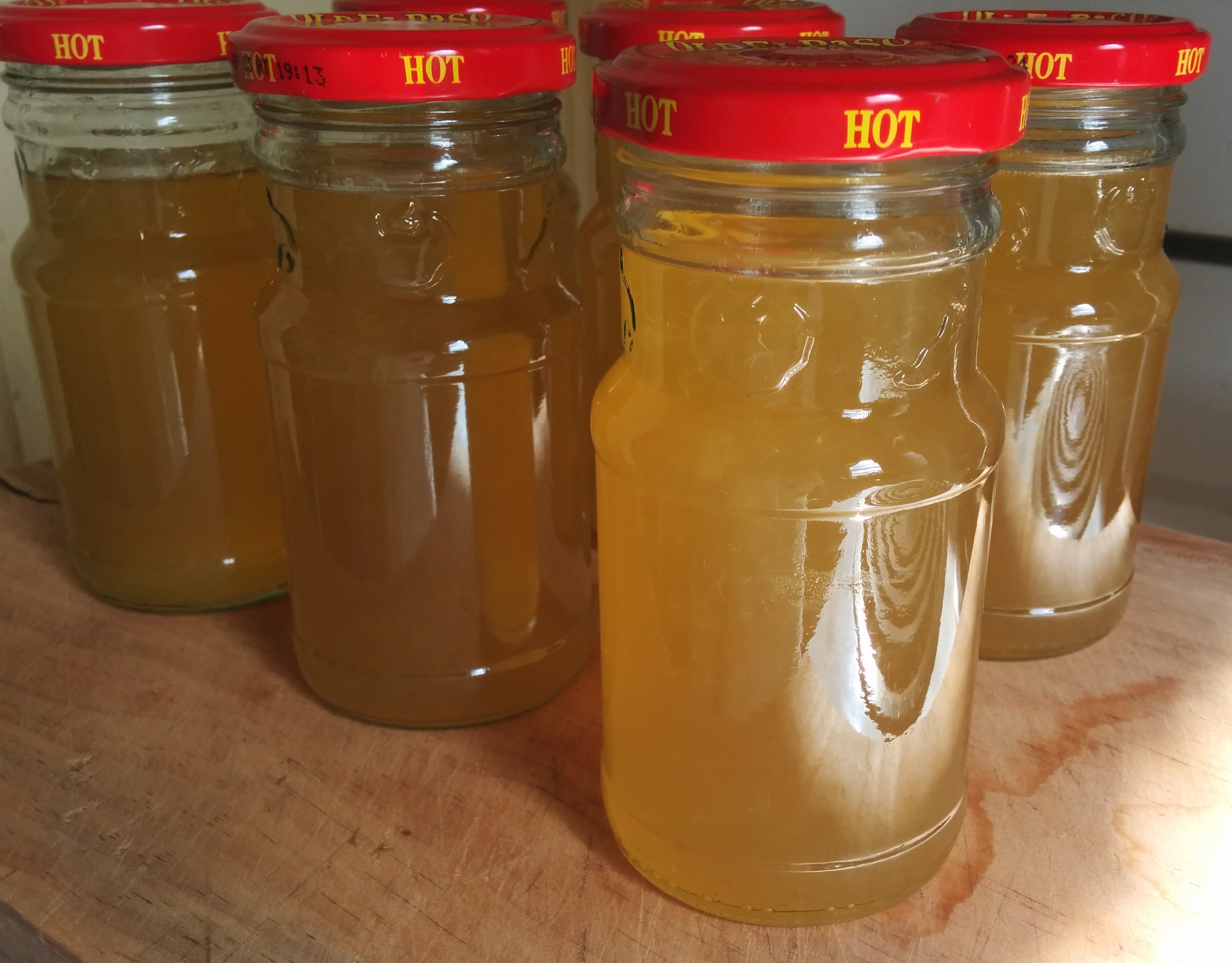
Well, I had a think about what works in my household. We’re not jam or marmalade eaters but dried fruit, cordials and syrups for drinks and ice cream are very popular. So I spent the afternoon peeling lemon zest for the dehydrator and making a simple Lemon Syrup with the juice.

I confess I lost count of the lemons but it was at least 20. After peeling the zest I put it in a non-metallic bowl overnight while I dealt with the poor denuded lemons – they look awful without their beautiful skins! Here’s my recipe, it’s really easy!
IMG_20160104_171135

Simple Lemon Syrup (makes about 6 cups)

3 1/2 cups fresh lemon juice       3 cups white sugar

Before beginning, sterilise glass jars in the oven and put their lids in a saucepan of boiling water on the back of the stove.

Next put the juice in a clean pan on medium heat with the white sugar. (I removed the pips but left some pulp in the juice – we like pulp). Keep stirring until the sugar is dissolved and simmer for about 10 minutes. Once the syrup is ready, take a couple of jars from the oven and carefully put them on a board or heatproof mat next to the syrup pan. Ladle it into the hot jars and seal immediately.

If you want to keep the syrup for a longer period of time, I recommend processing them in a water bath (canning method) for 10 minutes so they’ll be good on the pantry shelf for about a year – if it lasts that long!

IMG_20160104_171910

Dried Lemon Zest

This is really very simple and one of the best bonus uses for lemons you know have come from a chemical free garden. I have a dehydrator and my peelings were enough to put over three trays, lined with baking paper. In total it took about 10-12 hours to dry it all properly without cooking it. It it possible to do this in a conventional oven but it needs to be very cool.

My three large trays reduced down to a jar of wonderfully dry, aromatic peel. I’ll use this in baking, marinades and plan to crush some up fine for mixing with salt, and some with dried chillies as a herb rub.

Personally, I think it’s worth doing this just for the smell – it was heavenly!

IMG_20160109_141551

I’ll probably put another post up in the next few days about my favourite summer herb – shiso. Meanwhile, have a great weekend wherever you are and whatever you’re doing.

Debra ❤
 

Chilli Mania

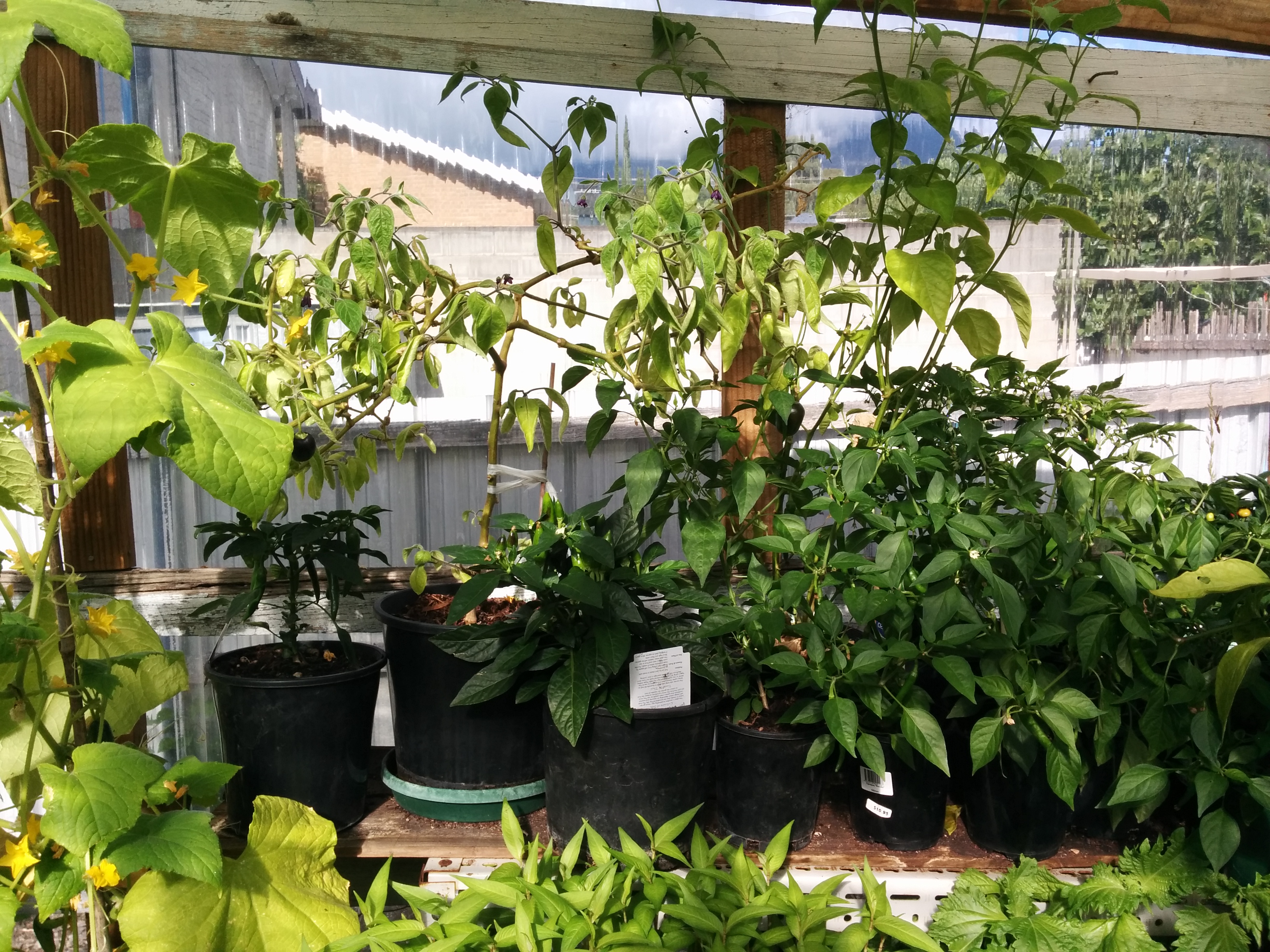
I was chatting online this morning with some like minded souls, who are also in the midst of summer gardening. The subject of growing chilies in Tasmania came up and it made me realise what an addict I am. Where most of the people on the forum had a few chilies for various purposes, there was one fellow who had multiple plants – and me. I counted this morning when I watered the greenhouse. I have 15 different varieties this year, and most them multiple plants.

One part of the Chilli Collection

One part of the Chilli Collection

Chilies are so much more than just mouth burning, demonic plants for the insanely masochistic. There are many different notes that accompany the heat and will compliment different dishes in multiple ways. And there are many, many different varieties and levels of heat. I think it’s more a question of finding the flavours that suit you.

For my spice-loving household, I have everything from a ridiculously hot Rocoto or Tree Chili (C. pubesens aka. Manzano for the apple-shaped fruit) to a very mild, sweet form that is incredibly prolific and provides a lovely tangy note in salads.

Manzano or Rocoto Chilli

Manzano or Rocoto Chilli

At the moment, I’ve got Rocoto’s starting to size up while the plant is still producing beautiful purple flowers. This chilli really packed a punch in it’s first year. All the reading I’d done suggested it was a mid-heat fruit and being so thick and fleshy, I thought it’d be a good candidate for stuffing with cottage cheese and baking.

Well, I made it through half of mine before I couldn’t feel my tongue or lips anymore. It was more like a very nasty Habenero in terms of heat and had similar fruity overtones. Rocotos are still treasured but respectfully dried for winter curries now!

I’ve found over the years, the heat scale can be quite variable. It seems to depend so much on the growing season, which is relatively short here in Tasmania, how much water and sunlight the developing fruit gets and what the plant is fed. I grow all my chillies in the greenhouse at present and combined with the mega crop of basil I’ve got this summer, it’s getting pretty crowded in there! But the key feature seems to be speed. I’ve noticed over the years that really hot chillies are the ones that take longer to ripen, such as the Rocotos and Habeneros.

Whether I’m growing from seed or potting up purchased plants, I usually put some used coffee grounds and a little dolomite in my potting mix for chillies and enrich it with mushroom compost or worm castings. Like any greenhouse plant, the potting mix needs to be just right not too heavy – but not too sandy or pots will dry out quickly on even a relatively mild day. If planting out in garden beds, mulch is essential to keep the roots moist and keep them well watered.

I’m loathe to admit it, but I’ve been a bit slack this year – I still have four punnets to be pricked out into grow

The Punnets of Shame

The Punnets of Shame

tubes and two trays of grow tubes that have to put in pots!

Included in these are Poblano Ancho and Serrano chillies to go into pots and Red Habeneros, a stunning Royal Black and the last of my first (and favourite) Habenero that are finally big enough to go into grow tubes. (If you’re interested in making/recycling your own grow tubes, there’s a post about it here).

Some years ago on a whim, I bought a Habenero, who we named “Fabio” because he was the most beautiful chilli in the world. He survived as a house plant for several years and a couple of moves under quite atrocious conditions and gave us many beautiful, ridiculously hot chillies. In his last year, I managed to save quite a lot of seed – and this is the final batch.

I’m trying to be patient, waiting for Inferno, Ring of Fire and Hot Portugal seedlings to start flowering but it’s difficult! In the meantime, I’ve already been eating Jalapenos in salad, Cayenne and Thai chillies in curries and stir fries and I’ve started drying some in the dehydrator. The big winner so far is a heirloom Bulgarian form I picked up cheaply in spring. After being potted up, it hasn’t grow much but just keeps producing flowers and fruit non-stop! The fruit are quite long and go from dark green to a rich, carrot orange. The flavour is also rich and spicy, without being overbearingly hot.

And in the process of writing this blog, I’ve just bought some more unusual chilli seed for growing at the end of next winter. All in all, it’s chilli heaven here 😀

What’s your favourite chilli? Please leave a comment below.

Inferno budding up

Inferno budding up

More Small Joys – Day 24 NaBloPoMo 2015

I’ve had a great day – bustling and busy – but great nonetheless. This morning I fed and watered the hungry hoards and said hello to the baby bunnies, who are all growing at a phenomenal rate! Their eyes are open and they are getting quite inquisitive about the world.

IMG_20151124_101938

I picked raspberries (a daily job now) and I’m hoping to have enough to make a spectacular birthday cake for myself next week 🙂 When I went to give Boudica her daily raspberry leaf treat, I discovered someone had come out to see mummy and see what she eats ❤

IMG_20151124_102022

There were six eggs from six chickens this morning, so after watering the greenhouse, I pickled another dozen eggs using the recipe I shared  here recently and started another loaf of sourdough bread. This weather Wee Beastie is very active and needs more attention (and feeding!)

My son came over and hung out, he’s in the process of moving out of his old place and in with a friend who lives just up the road from here. I think he was just sick of sorting out the junk from the stuff he wants to keep and needed some chill out time. So we kicked back, drank lots of tea and watched cooking shows on television. We’ve agreed to have a birthday dinner at home for me next week – Roast Pork with all the trimmings, maybe some new potatoes from the garden – which will be perfect!

I’m gradually getting my head around this final assignment, which is due Friday afternoon. I’ve opted to write three poems for plus a 500 word exegesis. Although I’m a professional songwriter (and prolific blogger) I don’t have much experience with poetry and it’s a form I find quite fascinating. Interestingly, I’ve found the easiest way to start is take and idea and just write. Stream of consciousness seems to be the key way into it for me. Then I edit and arrange the words on the page so they make sense to me – and hopefully my tutor! So my poems are largely about the strange weather we get in Tasmania, the changing seasons, growing things, musicians and music.

The sourdough went in the oven late this afternoon and, as a light dinner I took fresh sourdough slices, slabs of Pork Brawn I made on Sunday and crumbled over feta cheese I made a few weeks ago. We put the slices under a hot grill for about 10 minutes – until the feta started to melt – and it was so delicious! The sharp saltiness of the feta worked so well with the rich, meaty Brawn on the fresh sourdough.

I was also reminded by HeWhoMustNotBeListenedTo that everything on our plates was made by me. It was a very satisfying moment……

IMG_20151124_185409

So, tomorrow will be even busier – sand and pine bark chips are arriving for a project in the back end of the garden. I’ll have pics to show you all tomorrow night 😀

Sunny Saturday – Day 21 NaBloPoMo 2015

I had a really lovely day today. It wasn’t too hot, there was a gentle breeze through the yard and there was lots of gardening to do. Who am I kidding – there’s always lots of gardening to do! Admittedly, I didn’t do a scrap of uni work today but I had such a busy week, I felt I deserved a day off.

It’s wonderful to watch everything grow and change this time of year. In the space of a few short weeks, we’ve gone from buds to flowers to fruit forming on the cherry, apricot, plum and nectarine trees. The strawberries have been delicious and reasonably plentiful despite having only a handful of plants. But this morning we picked and ate the first raspberries of the season.

IMG_20151116_173439

It was quite a momentous occasion, I think it always is for people who grow their own fruit. When I was a child in South Australia (a far more Mediterranean climate than here in Tasmania), we would pick the first stone fruit – usually early apricots – and my mother would cut it into equal pieces for us all to share and she insisted we make a wish on the first of the harvest. It’s a ritual I’ve continued to this day with my family and whoever happens to be with us when it happens.

This afternoon I started cleaning out the other side of the greenhouse in preparation of the main Basil and Chilli crops. Because the climate here in Hobart is on the cool side, I always grow these in plastic pots in the warmest spot I can find. So far I have all the common Sweet Basil (Ocimiun basilicum) potted up, about 40 plants this year. But there’s Thai, Mammoth and Lettuce Leaf (my favourite for pesto) plus more varieties of chillies ready to go now and nowhere to put them at the moment!

I’ll get it finished tomorrow. Meanwhile, tonight we had the first of the free range pork that arrived yesterday with a salad from the garden, featuring home made feta cheese I made about a month ago. It was a winner all round 😉

What are your favourite family rituals? Leave a comment below. 

Pork Brawn Recipe – Day 20 NaBloPoMo 2015

I’m going to start again with a disclaimer. This post is all about pork and the preparation and cooking of a free-range pig’s head and trotters and does contain photographs. I have absolutely no desire to offend any of my vegetarian friends so if this isn’t your thing, come back tomorrow when I’ll be likely talking/writing about music, vegetables or home made cheesecake 😉

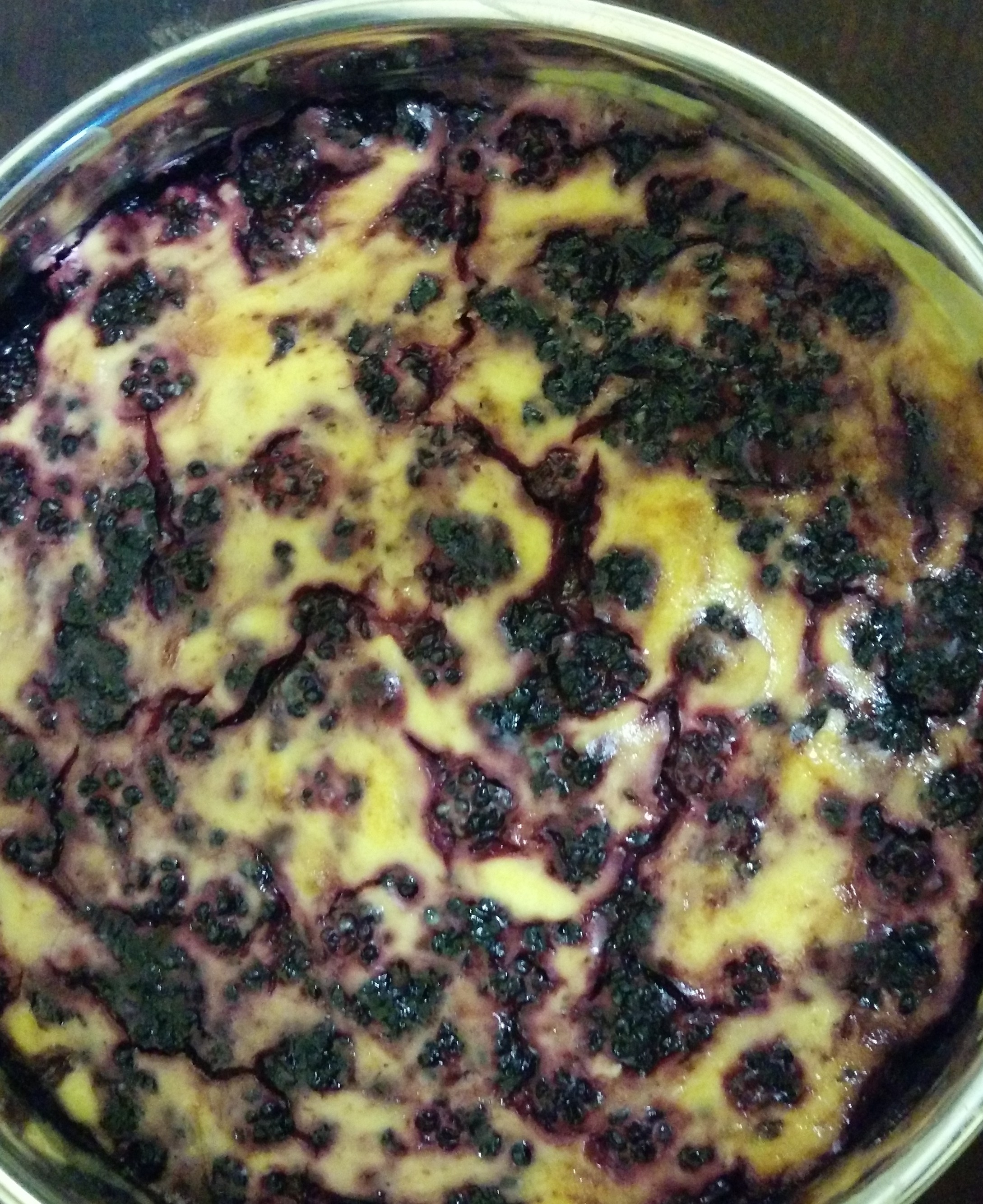
Home made Blackberry Cheesecake from last summer

Home made Blackberry Cheesecake from last summer

Today I had a delivery from my friend Paul. He and his partner Trudy own Elderslie Farm, just out of Hobart. We met when I was searching for a local, low food miles, free-range meat producer and I can’t praise their produce enough. It’s flavoursome, tender, butchered and bagged to my needs and delivered to my door! The bonus is we’ve made new friends in the process.

IMG_20151120_145405

I got a side of pork earlier this year from them and, perhaps I was feeling some childhood nostalgia, agreed to have the head and trotters included so I could make Brawn. My grandmother used to make this along with various other dishes that used every part of a beast, where nothing was wasted. When I was little, my job was to pull the cooled cooked meat apart with two forks and I think it’s still my favourite job in this quite long process.

It went so well, I’m doing it again and right now the kitchen smells amazing – there’s a pork head simmering in the slow cooker with a head of fresh garlic and various spices. It’s so big I can’t fit the lid on properly!

For this post, I’m using photographs from the Brawn I made earlier in the year.

Pork Brawn

Ingredients:

Pigs head, cleaned and de-haired     Pig’s trotters, cleaned thoroughly     Stock powder (optional)

1/2 cup Marsala or sherry   1 onion, peeled and halved    1 head of garlic 2 or 3 Bay leaves  2 or 3 dried Chillies

Spices to taste in a cheesecloth bag (a few cloves, allspice berries, cardamon pods – whatever takes your fancy)

Water to cover

Method:

Start by preparing your cheesecloth bag with the spices. I sometimes put sprigs of thyme or sage in plus cloves, cardamon, peppercorns, star anise or whatever takes my fancy. Tie it up with some kitchen string and leave a tail to tie it to the handle of your pan. Put the clean head in a large pan or slow cooker. Then add the Bay leaves, chillies, halved onion, stock powder (if using it), pour over the Marsala and cover with water.

IMG_20150419_185456Cook covered on a very low heat for 4-6 hours or until the meat is falling off the bone. This will depend on the size of the head. I’m cooking mine in a slow cooker on a low setting for a few hours tonight. I’ll switch it off and leave it there overnight and check in the morning to see if it needs more cooking time.

It should look a little like the picture left – basically a pork soup. (Note the string that I tied to the slow cooker handle).

Once it’s cooked, it’s time to get into the messy part of this dish! Make sure you’ve got plenty of room to spread out and I suggest getting all your implements ready before you start lifting this around – it’s heavy!

Get a large clean pan and set it up next to the pork. Use a nylon strainer or a sheet of cheesecloth tied over the clean IMG_20150419_192017pan and start ladling the rich broth, straining the liquid. I find it best to do this stage when the broth is still warm but not scalding hot. Remove the spices in the cheesecloth and and large bones and skin as you come across them.

You should end up with a delicious smelling pot of stock, something like the picture to the right. It will be full of gelatin from the bones too, which will make your  brawn set.

Put this on a low heat uncovered to reduce the stock.

Meanwhile, the pot with the head and trotters are now ready to work on. IMG_20150419_192004My family like things spicy, so I usually leave at least one of the chillies in with the meat to chop up and go in the final dish.

Take it piece by piece, (the cheeks are particularly delicious) and on a clean board start shredding the meat with two forks. Put the meat into a bowl as you go. Continue stripping the head and if the tongue is still in the skull I chop that up finely and put it in too. (My gran used to do this separately as pressed tongue in aspic but I prefer it mixed in the brawn).

You can also chop the onion halves finely and as many cloves of garlic from the head as you like and add them to the meat mix as well.

By now, the stock should be reduced. Take it off the heat, cover and allow it to cool. Refrigerate it if the weather is warm. Cover the shredded meat mixture and refrigerate it until you’re ready to assemble the brawn.

While the stock is cooling, prepare some small ramekins or cups by lining them with plastic wrap. Pack the meat mixture into the ramekins.

Skim any excess fat off the cooled stock and ladle enough of the liquid carefully over the meat mixture. Leave it a couple of minutes for any air bubbles to escape. Then carefully fold the plastic wrap over the top. (Any excess stock can be frozen for later use in soups or stews).

Stack the ramekins on top of each other or put a weight on each and refrigerate.

IMG_20150422_130316

Finished turned out Pork Brawn

The finished product will set naturally from the high amounts of gelatin in the bones and trotters. There’s no need for any extra gelatin. Serve turned out on a plate with slices of fresh crusty bread and with a green salad makes a lovely lunch.

IMG_20150422_132531

Next Newer Entries